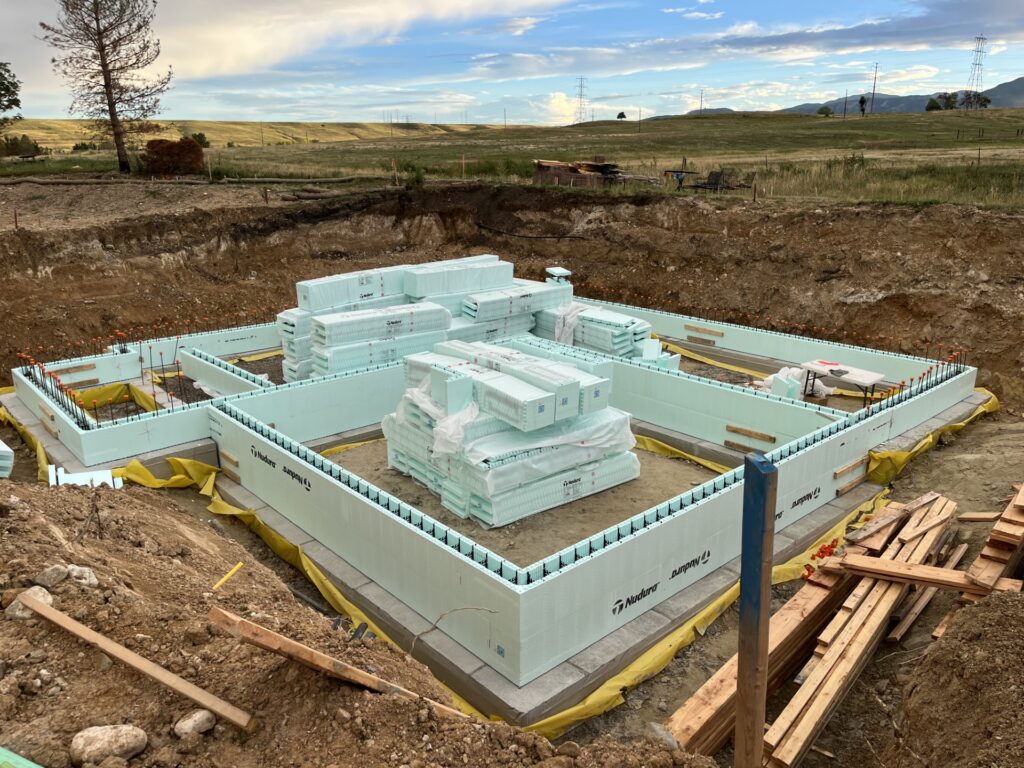
Building a custom home is one of the biggest investments you’ll ever make, and choosing the right construction method is crucial. Insulated Concrete Form, or ICF, homes are gaining popularity because they combine durability, energy efficiency, and long-term savings. While the initial investment may be higher than traditional wood-frame construction, the benefits of ICF homes often outweigh the costs, making them a smart choice for homeowners who value quality, safety, and sustainability.
Understanding the Cost of ICF Construction
ICF construction typically costs slightly more upfront than traditional wood-frame homes. This is due to the specialized materials, forms, and labor required for building with insulated concrete. However, the higher initial cost is an investment in long-term savings, durability, and comfort.
Many homeowners find that the extra investment is offset by lower energy bills, reduced maintenance costs, and increased resale value. The precise cost varies depending on factors like home size, design complexity, and location, but the benefits of ICF construction make it a worthwhile consideration for anyone planning a custom home.
Energy Efficiency and Lower Utility Bills
One of the most significant advantages of ICF homes is their superior energy efficiency. The insulated concrete walls provide excellent thermal resistance, keeping your home cooler in the summer and warmer in the winter. This means HVAC systems don’t have to work as hard, translating to lower energy bills year-round.
Over time, these savings can be substantial. Homeowners often report reduced heating and cooling costs of 30 to 50 percent compared to traditional homes. For buyers looking to make a long-term investment, energy efficiency is a major factor in the overall value of an ICF home.
Durability and Low Maintenance
ICF homes are built to last. The reinforced concrete core makes these homes highly resistant to natural disasters, pests, and fire. Unlike wood-frame homes, they don’t warp, rot, or suffer from termite damage.
This durability translates into lower maintenance costs over the life of the home. Homeowners spend less on repairs and replacements, making ICF homes a smart financial choice in addition to being safe and reliable.
Comfort and Indoor Air Quality
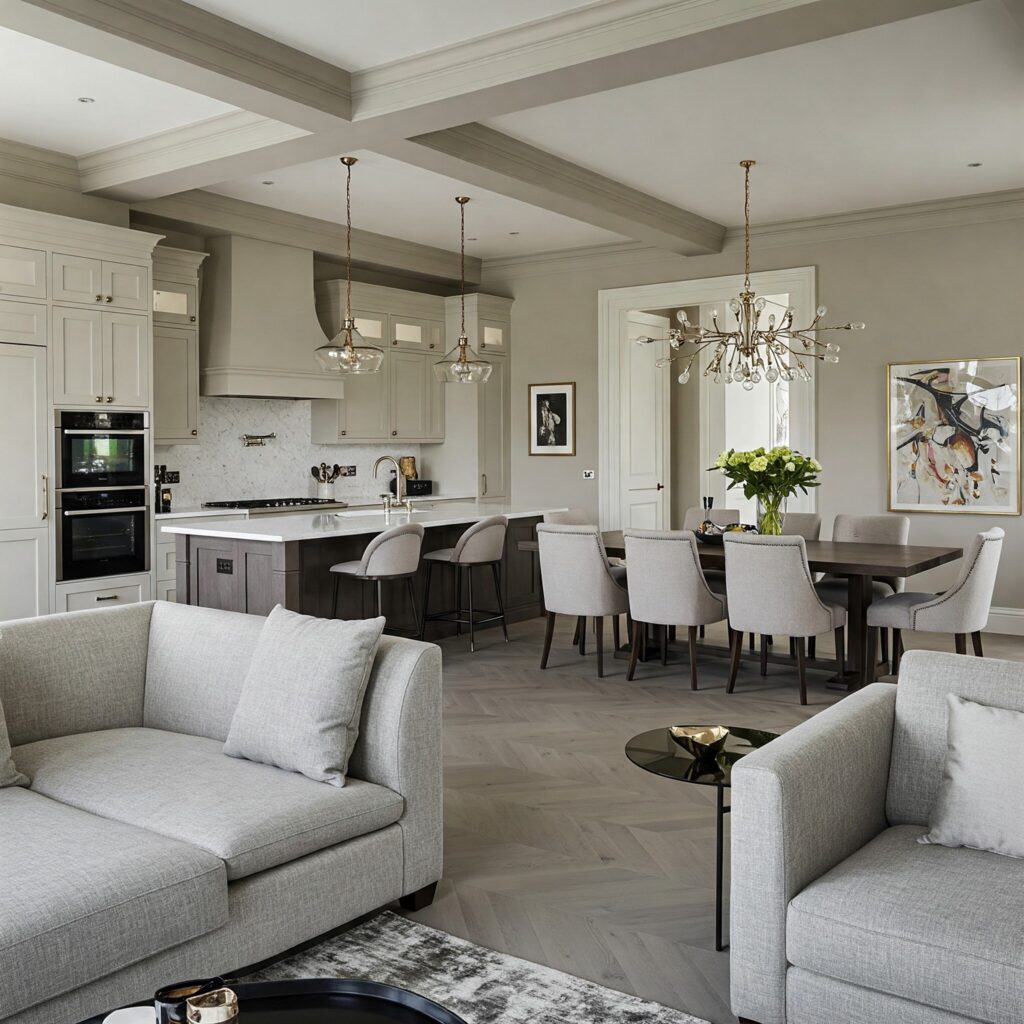
ICF homes offer unmatched comfort. The thick insulated walls reduce drafts, noise, and temperature fluctuations, creating a consistent and quiet living environment. Improved air sealing also minimizes dust, allergens, and outdoor pollutants from entering the home, contributing to better indoor air quality.
For families who value comfort and health, this aspect adds significant intangible value. Living in a home that feels cozy and quiet year-round is something that money alone can’t always buy—but ICF homes deliver it naturally.
Resale Value and Market Appeal
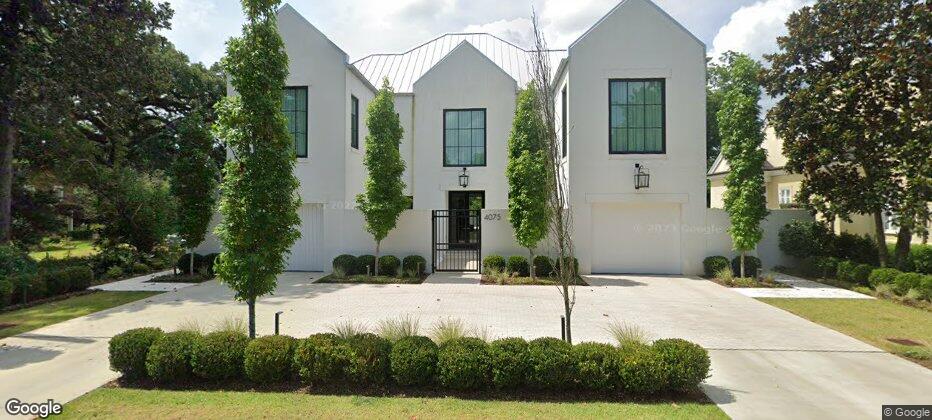
ICF homes often command higher resale value due to their durability, energy efficiency, and modern construction methods. Buyers recognize the long-term savings, low maintenance, and overall quality that comes with ICF construction, making these homes attractive in the real estate market.
When you invest in an ICF home, you’re not just buying a house—you’re investing in a property that will hold its value for decades, providing security and peace of mind for you and your family.
Conclusion
While the initial cost of building an ICF home may be higher than traditional construction, the long-term value is undeniable. From energy efficiency and reduced utility bills to durability, comfort, and increased resale value, an ICF home is a smart investment for homeowners who want quality, safety, and sustainability.
ICF construction offers unmatched benefits that make every dollar spent worthwhile, making it an ideal choice for anyone looking to build a custom home that stands the test of time.