When it comes to building a custom home, one of the most important decisions is choosing the construction method. For many homeowners, the choice comes down to Insulated Concrete Form (ICF) construction versus traditional wood-frame building. Each method offers unique benefits and considerations, from durability and cost to energy efficiency and lifestyle impact. Understanding these differences is essential for making a decision that aligns with your goals, budget, and long-term vision for your home.
Understanding ICF Construction
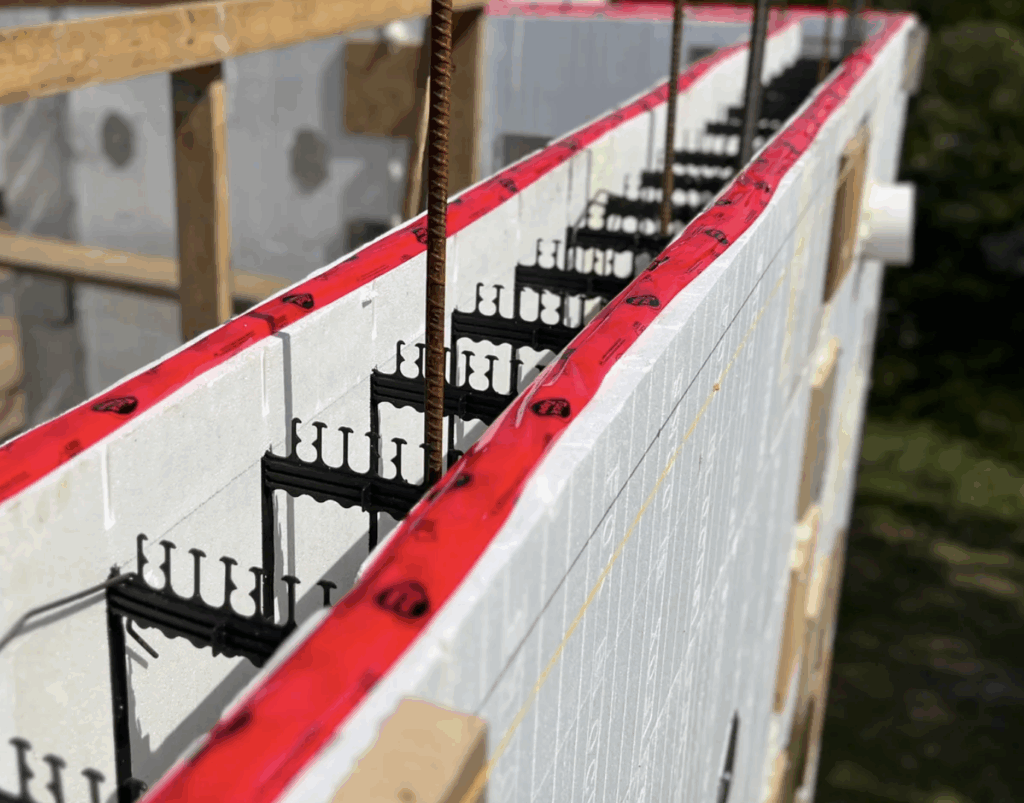
Insulated Concrete Form homes are built using hollow foam blocks that are stacked and then filled with reinforced concrete. This method creates a solid, highly insulated wall that offers exceptional strength and energy efficiency. ICF homes are known for their durability, resistance to extreme weather, and long lifespan. Beyond structural benefits, ICF provides superior thermal performance, helping maintain a consistent indoor temperature while reducing energy costs. The combination of insulation and solid concrete also offers enhanced soundproofing, making these homes quieter and more comfortable.
The Appeal of Traditional Wood-Frame Homes
Traditional wood-frame construction has been the standard in residential building for decades. This method uses lumber to create a skeletal framework, which is then covered with exterior sheathing and interior finishes. Wood-frame homes are highly versatile, allowing for a wide range of architectural styles and design customizations. They generally have a shorter construction timeline compared to ICF and can be more cost-effective upfront. Wood is a natural material, easy to work with, and provides a classic aesthetic that appeals to many homeowners.
Durability and Resilience
When comparing durability, ICF homes have a clear advantage. The reinforced concrete core of ICF walls makes them resistant to fire, pests, mold, and extreme weather events, including hurricanes and tornadoes. This structural integrity can provide peace of mind, especially in regions prone to severe storms. Wood-frame homes, while durable when properly maintained, are more susceptible to environmental factors such as termites, water damage, and fire. Homeowners considering long-term resilience may find that ICF construction offers a stronger, low-maintenance solution for decades to come.
Energy Efficiency and Comfort
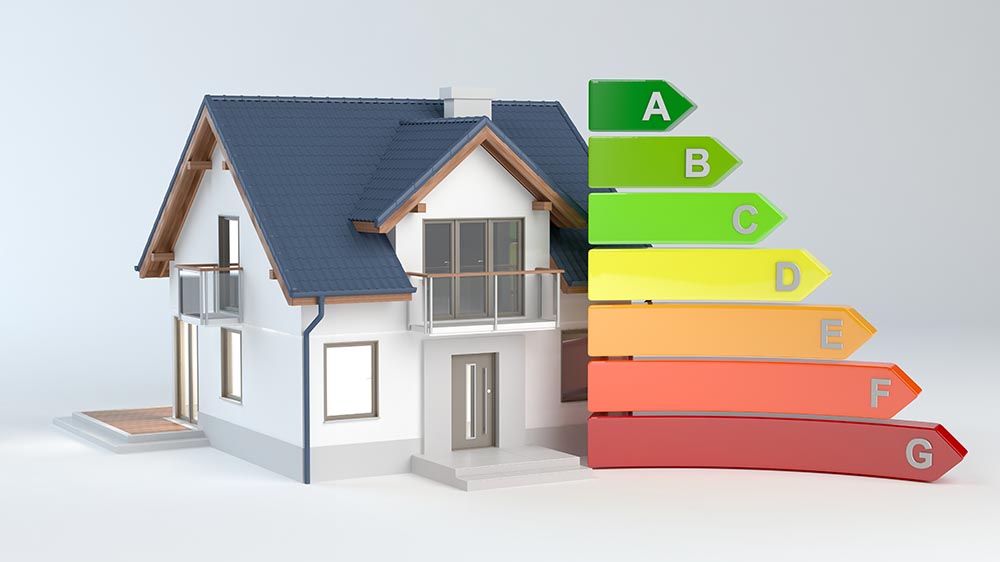
Energy efficiency is a significant factor for many modern homeowners. ICF walls provide continuous insulation, eliminating the thermal bridging commonly found in wood-frame construction. This results in lower heating and cooling costs and a more consistent indoor climate year-round. In contrast, wood-frame homes typically rely on cavity insulation, which can be less efficient and allow for temperature fluctuations. For homeowners who prioritize comfort, energy savings, and environmental sustainability, ICF construction often delivers superior performance.
Cost Considerations
While ICF homes often have higher upfront construction costs than wood-frame homes, they can offer long-term savings. Reduced energy bills, lower maintenance expenses, and increased durability contribute to a strong return on investment. Wood-frame homes are generally more budget-friendly initially, which can be attractive for first-time builders or those with tighter budgets. Ultimately, weighing the upfront cost against long-term benefits is key when deciding which construction method aligns with your financial goals.
Lifestyle and Design Flexibility
Wood-frame homes offer unmatched flexibility in design, making it easier to incorporate unique architectural features, custom layouts, and large openings for windows and doors. ICF homes can also be customized, but the solid concrete walls may require more careful planning for modifications and large spans. Homeowners who value design freedom and quick adaptations may prefer wood-frame construction, while those seeking a low-maintenance, highly insulated, and resilient structure may gravitate toward ICF.
Making the Right Choice
Choosing between ICF and wood-frame construction ultimately comes down to your priorities. If durability, energy efficiency, and long-term savings are top concerns, ICF offers unmatched benefits. For those who prioritize cost-effectiveness, design flexibility, and faster construction timelines, traditional wood-frame homes may be the right fit. Understanding the trade-offs and benefits of each method ensures that your custom home aligns with both your lifestyle and long-term goals.
Conclusion
Building a custom home is one of life’s most significant investments, and the construction method you choose will impact your experience, finances, and peace of mind for years to come. Both ICF and traditional wood-frame homes have their strengths, and the right choice depends on your priorities, location, and vision. By carefully evaluating factors like durability, energy efficiency, cost, and lifestyle, homeowners can make an informed decision and create a home that truly meets their needs. With expert guidance from a trusted builder like Batten Builders, you can confidently choose the construction method that will bring your dream home to life.