
Building a home is one of the most significant investments a person can make, and the foundation is the literal and figurative base upon which everything rests. While walls, roofs, and interior finishes often capture attention, the foundation is a critical element that determines the structural integrity, longevity, and performance of a house. Understanding how soil conditions, climate, and design requirements influence foundation choices can help homeowners make informed decisions and avoid costly issues in the future.
Foundations serve multiple purposes beyond simply supporting a home’s weight. They provide a level platform for construction, prevent moisture intrusion, resist soil movement, and help maintain indoor comfort by insulating against temperature extremes. Choosing the wrong foundation can lead to settling, cracking, water damage, and uneven floors—problems that can compromise both safety and value. Because of this, careful planning at the outset of a project is essential.
Understanding Soil and Its Impact on Foundations
One of the most important factors in foundation selection is the type of soil on the building site. Soil varies widely in composition, moisture retention, and stability, and these characteristics directly affect a foundation’s performance. For example, clay soils expand and contract dramatically with changes in moisture, potentially causing movement that can crack concrete or distort framing. Sandy soils, while generally well-draining, may require deeper footings or specialized reinforcement to maintain stability.
Before construction begins, soil testing is often recommended to assess load-bearing capacity and composition. Engineers may perform a soil boring test or a geotechnical survey to provide a detailed report. This information guides decisions on the type and depth of foundation required. Homes built without considering soil conditions may experience uneven settling, which can damage walls, floors, and plumbing.
In addition to type, soil drainage is critical. Poorly drained soils increase the risk of moisture seeping into the foundation, leading to mold, rot, or structural compromise. Foundations built on high-water tables or flood-prone areas require additional planning, including waterproofing measures and proper grading to divert water away from the home.
Climate Considerations in Foundation Design
Climate plays an equally important role in foundation selection. Homes in regions with significant rainfall, freezing temperatures, or frequent storms face challenges that differ from homes in dry, mild climates. In colder regions, foundations must extend below the frost line to prevent damage from freeze-thaw cycles. In areas with high humidity or heavy rainfall, waterproofing and proper drainage are critical to prevent water infiltration and mold growth.
For coastal or hurricane-prone areas, foundations need to resist uplift, erosion, and flooding. Elevated foundations or piers are often used to minimize water damage risk. Additionally, certain construction materials, such as Insulated Concrete Forms (ICF), offer both strength and resilience against extreme weather conditions while providing energy efficiency and durability.
Types of Foundations and Their Benefits
Several foundation types are commonly used in residential construction, each with its advantages and considerations. Understanding these options allows homeowners to match foundation type with soil, climate, and design requirements.
Slab foundations are a popular choice for many regions due to their simplicity and cost-effectiveness. They involve pouring concrete directly on the ground, creating a solid, level platform. While slabs are durable and relatively inexpensive, they can be susceptible to cracking if soil movement occurs or if proper reinforcement is not used.
Crawl space foundations elevate the home slightly above ground level, providing easier access to plumbing, electrical wiring, and HVAC systems. They also offer improved airflow beneath the house, which can help reduce moisture buildup. However, crawl spaces must be properly ventilated and insulated to prevent humidity-related problems.
Basement foundations provide additional living or storage space while supporting the home’s structure. They are ideal in colder climates, where below-ground levels remain insulated from frost. Basements require careful waterproofing, particularly in areas with high water tables, to prevent flooding or seepage.
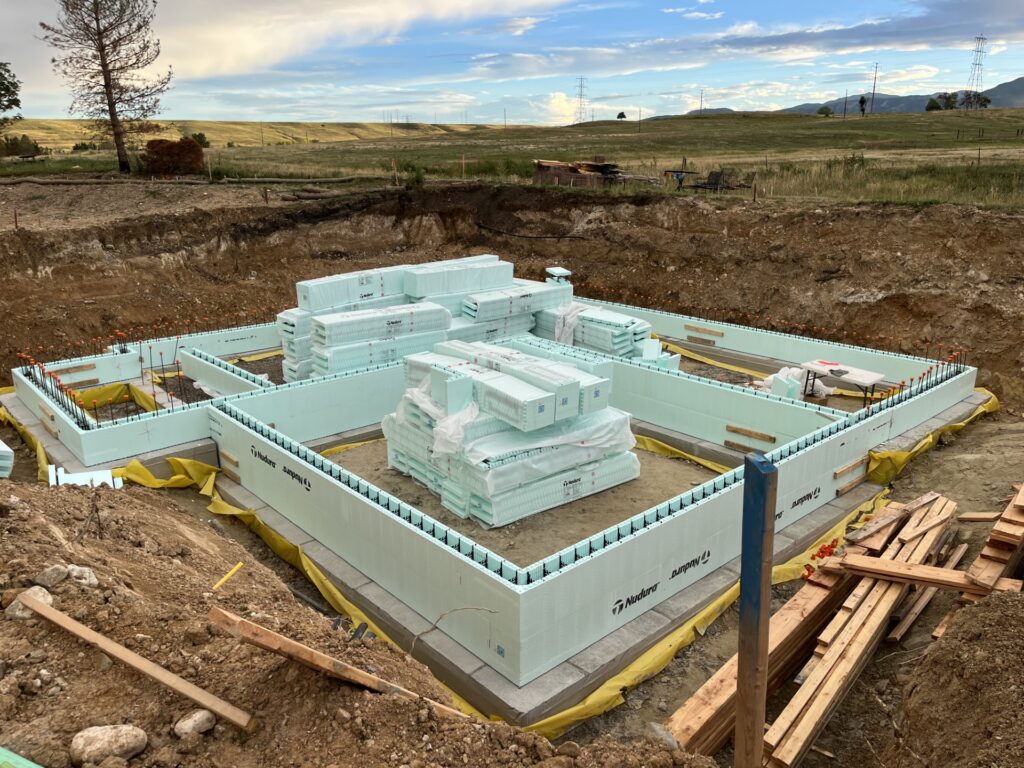
Insulated Concrete Forms (ICF) have grown in popularity due to their energy efficiency, strength, and resistance to extreme weather. ICF foundations combine concrete’s durability with insulating foam, creating a solid, thermally efficient wall that supports long-term comfort and sustainability. For homeowners in areas prone to hurricanes, flooding, or temperature extremes, ICF provides a reliable and resilient solution.
Design Considerations and Home Size
The size, style, and layout of a home also influence foundation choice. Larger or multi-story homes place more weight on the foundation, necessitating deeper footings or reinforced concrete. Irregularly shaped homes or those with cantilevered sections may require specialized engineering to ensure load distribution is balanced and secure.
Architectural design elements, such as vaulted ceilings, open floor plans, or heavy roof materials, also impact foundation planning. A foundation must accommodate both static and dynamic loads over time, supporting the structure without excessive movement. Engaging builders and engineers early in the design process ensures that the foundation aligns with both structural and aesthetic goals.
The Importance of Water Management
A foundation does not exist in isolation. Effective water management is a critical complement to a strong foundation. Proper grading, drainage systems, and gutter placement ensure that water is directed away from the home, reducing the risk of foundation settlement, erosion, and water intrusion. Even the most robust foundation can fail if water is allowed to accumulate around it consistently.
Additionally, foundations in flood-prone areas may benefit from elevated designs or flood-resistant materials. These measures reduce risk and protect both the structure and the investment homeowners make in their property.
Long-Term Benefits of Choosing the Right Foundation
Investing in the right foundation pays dividends over the life of a home. Properly designed and constructed foundations provide stability, protect against environmental challenges, and reduce maintenance costs. They also enhance energy efficiency, particularly when paired with insulated materials like ICF, contributing to lower heating and cooling expenses.
Beyond practical benefits, a well-built foundation adds peace of mind. Homeowners can trust that their investment rests on a secure base, supporting safety, comfort, and longevity. The foundation is not just a structural component—it is a critical element that shapes the entire home-building experience.
Working with Experienced Builders
Selecting the right foundation is a decision best made with experienced professionals. Builders with expertise in local soil conditions, climate challenges, and modern construction techniques can provide guidance and solutions tailored to each site. At Batten Builders, every project begins with careful assessment of the land, thoughtful foundation planning, and precise execution to ensure lasting quality.
By working with a team that prioritizes both structural integrity and long-term performance, homeowners can avoid costly mistakes and enjoy confidence in their investment. Knowledge, experience, and attention to detail make all the difference in building a home that lasts.
Conclusion
The foundation is far more than a concrete slab or a hidden basement. It is the cornerstone of every decision, the anchor that supports walls, roofs, and memories for years to come. Understanding how soil, climate, and design influence foundation choice empowers homeowners to make informed decisions and invest wisely in their future.
From slab foundations to ICF, basements to crawl spaces, the key to success lies in thoughtful planning, careful assessment, and collaboration with knowledgeable builders. A home’s foundation may be unseen, but its impact is undeniable. When built right, it creates the stability, resilience, and peace of mind that every homeowner deserves.