Building a custom home is one of the most significant investments a person can make, and naturally, homeowners want a property that offers both comfort and long-term financial benefits. Insulated Concrete Form, or ICF, construction has gained attention as a superior building method that delivers not only durability and strength but also remarkable cost savings over time. While some may focus on the upfront cost of ICF construction, the reality is that the long-term benefits far outweigh initial expenses. From energy efficiency to reduced maintenance and insurance costs, ICF homes are designed to provide financial advantages while creating a comfortable, sustainable living environment.
Energy Efficiency: Lower Heating and Cooling Costs
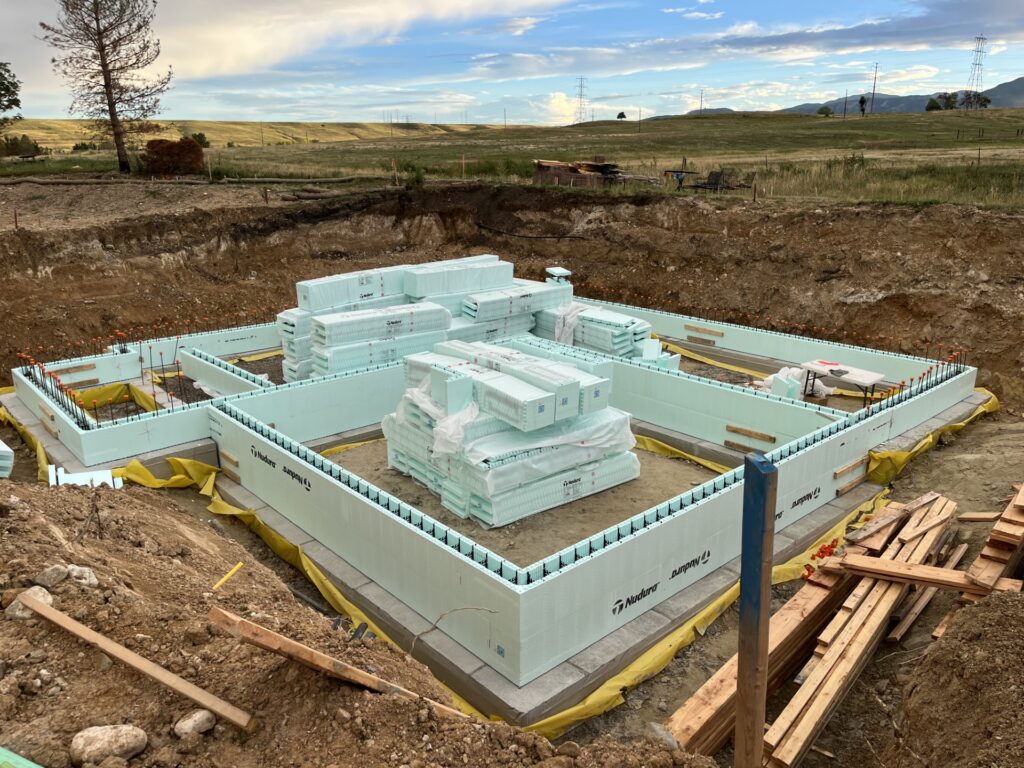
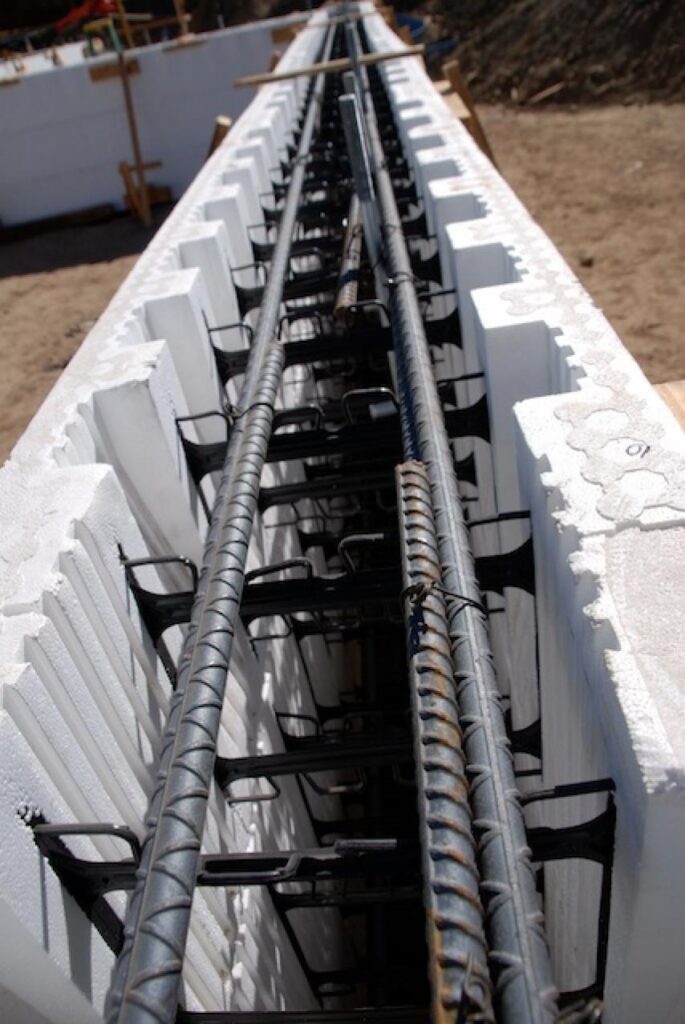
One of the most immediate ways ICF homes save money is through energy efficiency. ICF walls are made of concrete forms filled with insulating foam, creating a continuous barrier that reduces heat transfer. This design minimizes the loss of warm or cool air, keeping indoor temperatures steady throughout the year. Homeowners in ICF homes typically experience significantly lower heating and cooling costs compared to traditional wood-frame houses. The energy savings are most noticeable in extreme climates, where maintaining a comfortable indoor temperature is otherwise costly. By investing in ICF construction, homeowners can reduce utility bills, sometimes recouping a portion of the initial construction costs within just a few years.
Durable Construction Means Fewer Repairs
Another financial advantage of ICF homes is their durability. Concrete walls are resistant to damage from moisture, pests, fire, and extreme weather, reducing the likelihood of costly repairs over time. Unlike traditional wood framing, which can warp, rot, or become infested with termites, ICF walls maintain their structural integrity for decades. This resilience protects the home’s value and eliminates many common expenses associated with home maintenance. Homeowners benefit not only from savings but also from peace of mind knowing their home can withstand the tests of time and nature.
Reduced Insurance Costs
Insurance providers recognize the strength and safety of ICF construction. Because ICF homes are highly resistant to wind, fire, and water damage, homeowners may qualify for lower insurance premiums compared to traditional homes. This reduction can result in substantial long-term savings, especially in areas prone to hurricanes, tornadoes, or wildfires. The combination of a durable structure and lower insurance costs makes ICF homes a smart investment for homeowners looking to protect both their property and their finances.
Longevity and Resale Value
ICF homes are not only cost-effective in the short term but also provide long-term financial benefits. The durability, energy efficiency, and low maintenance requirements make these homes highly desirable in the real estate market. Potential buyers often recognize the advantages of an ICF-built home, from lower energy bills to increased safety and structural integrity, which can lead to higher resale value. Investing in an ICF home means investing in a property that retains value and continues to provide savings for years to come.
Comfort and Indoor Quality
Financial benefits go hand in hand with comfort in an ICF home. The superior insulation of ICF walls creates a consistent indoor temperature, reducing the need to constantly adjust heating or cooling systems. This not only saves energy but also extends the lifespan of HVAC equipment, leading to additional cost savings. The airtight design of ICF homes also minimizes drafts and prevents outdoor noise, providing a more comfortable and efficient living environment. When a home is comfortable and efficient, homeowners tend to spend less on temporary fixes and energy-intensive appliances, which further reduces long-term expenses.
Sustainable and Environmentally Friendly
ICF construction is inherently sustainable, which can also translate to financial benefits. By reducing energy consumption, homeowners lower their carbon footprint and contribute to environmental conservation. In some regions, energy-efficient homes may qualify for tax credits, incentives, or rebates, providing additional savings. The use of long-lasting materials means fewer replacements and repairs over the life of the home, aligning financial savings with environmental responsibility. A sustainable home is not only good for the planet but also for the homeowner’s wallet.
Comparing ICF Homes to Traditional Construction
When evaluating cost savings, it’s important to compare ICF homes to traditional wood-frame construction. While the initial investment in ICF may be slightly higher, the benefits quickly become clear. Reduced energy bills, lower insurance premiums, minimal maintenance, and enhanced durability combine to create a cost-effective solution over the life of the home. Many homeowners find that ICF homes pay for themselves in both tangible and intangible ways, from financial savings to peace of mind.
Tips for Maximizing Savings in an ICF Home
To get the most financial benefit from an ICF home, homeowners can take several steps. Properly sealing windows and doors enhances the insulation benefits of ICF walls. Using energy-efficient appliances, lighting, and HVAC systems further reduces utility costs. Incorporating renewable energy sources, such as solar panels, can complement the energy efficiency of the home and maximize long-term savings. Regular maintenance, such as checking seals and insulation integrity, ensures that the home continues to perform efficiently for decades. By combining ICF construction with smart design and energy-conscious habits, homeowners can significantly enhance the value of their investment.
Conclusion
ICF homes offer a unique combination of durability, energy efficiency, and long-term financial advantages. While the initial construction cost may be higher than traditional methods, the savings in energy bills, reduced maintenance, lower insurance premiums, and increased resale value make ICF homes a wise investment. The superior comfort, sustainability, and resilience of ICF construction add both tangible and intangible value, providing homeowners with peace of mind and a better quality of life. For those considering a custom home that delivers both modern design and financial benefits, ICF construction stands out as a solution that saves money today and continues to provide returns for decades to come.