
Living on the coast comes with incredible views, breezes off the water, and access to a vibrant outdoor lifestyle. Yet coastal living also comes with unique challenges, particularly when it comes to weather. Hurricanes, tropical storms, and strong coastal winds pose real risks to homes, making storm-resilient construction a top priority for anyone building or renovating in these areas. By understanding building techniques, materials, and design considerations that enhance durability, homeowners can protect both their investment and their peace of mind.
Understanding Coastal Weather Risks
Before diving into construction strategies, it’s essential to understand the specific risks associated with coastal properties. High winds during hurricanes can damage roofs, windows, and siding, while heavy rainfall can lead to flooding and structural compromise. Storm surges can exacerbate flooding, particularly in low-lying areas. Over time, repeated exposure to salty air can also corrode traditional building materials, reducing the lifespan of a home. Awareness of these challenges allows homeowners and builders to make informed decisions about materials, design, and construction techniques.
The Role of Strong Foundations
A storm-resilient home begins with a solid foundation. Elevated foundations or pilings help protect properties from flooding and storm surge, keeping critical living areas above potential water levels. Reinforced concrete foundations offer additional stability, particularly in areas prone to soil erosion or shifting terrain. Proper site grading ensures that water flows away from the home, reducing the risk of foundation damage and basement flooding.
Durable Framing and Structural Reinforcement
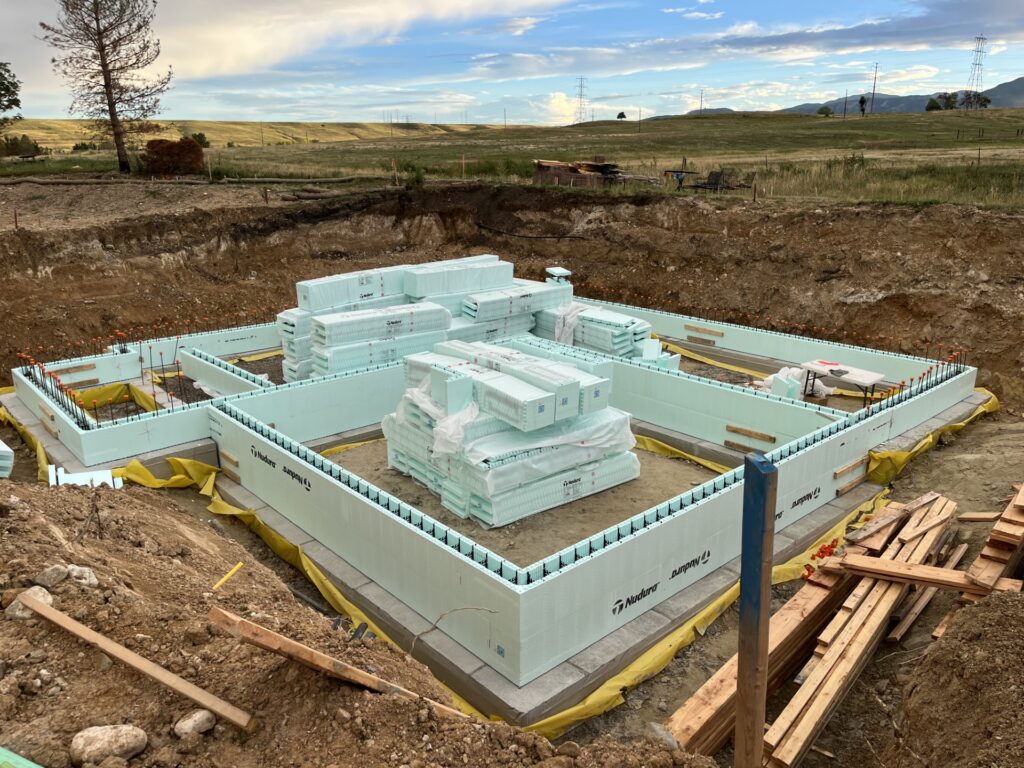
Choosing the right framing materials and reinforcing structural elements are critical for withstanding high winds. Many coastal homes benefit from Insulated Concrete Forms (ICF), which combine insulation and reinforced concrete to create walls that are strong, energy-efficient, and resistant to extreme weather. Traditional wood framing can also be reinforced with hurricane straps, impact-rated fasteners, and bracing to increase resistance to uplift and lateral forces during storms.
Roof design is equally important. A well-secured roof with appropriate pitch and wind-resistant materials, such as metal panels or high-quality shingles, helps prevent damage during severe weather. Roof connections to walls should be strengthened using hurricane clips or straps to reduce the risk of uplift.
Impact-Resistant Windows and Doors
Windows and doors are often the most vulnerable points in a home during a storm. Installing impact-resistant glass, reinforced frames, and storm shutters can prevent debris from breaching the interior and causing extensive damage. Properly sealed and rated openings also improve energy efficiency, which is an added benefit outside of storm season.
Moisture and Flood Protection
Moisture intrusion is a common concern for coastal properties, and it can compromise both structural integrity and indoor air quality. Using moisture-resistant building materials, such as treated wood, cement board, and waterproof membranes, helps prevent rot, mold, and long-term damage. Elevating mechanical systems and electrical panels above potential flood levels further protects critical infrastructure.
Drainage systems play a vital role in storm resilience. French drains, swales, and proper grading direct water away from the home, while sump pumps and backflow preventers can mitigate damage in the event of flooding. Landscaping choices, such as retaining walls and native plants, also contribute to water management and reduce erosion.
Choosing Resilient Exterior Materials
Coastal conditions demand exterior materials that can withstand wind, water, and salt air. Fiber cement siding, brick, stone veneer, and stucco are popular choices due to their durability and low maintenance. Roofing materials should be rated for high wind and impact resistance, and coatings or treatments can protect against corrosion from salty air. Regular maintenance and inspections help extend the life of these materials, ensuring ongoing protection against storms.
Planning for Emergency Preparedness
Storm-resilient construction goes hand-in-hand with emergency planning. Homes designed with safe rooms or reinforced interior spaces provide additional protection during extreme weather. Backup power systems, elevated storage for valuables, and easy access to evacuation routes enhance safety and preparedness for homeowners. Incorporating these elements during the design and construction phase ensures a more secure home without compromising aesthetics or functionality.
The Long-Term Benefits of Storm-Resilient Design
Investing in storm-resistant construction not only protects a home during severe weather but also offers long-term benefits. Resilient homes are easier to insure, maintain, and sell, as buyers recognize the value of durability and safety. Energy-efficient designs, reinforced materials, and proper water management contribute to lower operating costs and enhanced comfort year-round.
For homeowners in coastal regions, prioritizing storm resilience is not just about surviving the next hurricane—it’s about creating a safe, sustainable, and lasting home that can withstand the unique challenges of coastal living.
Conclusion
Coastal living offers a lifestyle filled with beauty and opportunity, but it also requires careful planning to protect your home from storms, flooding, and high winds. By focusing on strong foundations, durable framing, impact-resistant windows, moisture protection, and resilient exterior materials, homeowners can significantly reduce risk and safeguard their investments.
Storm-resilient construction combines thoughtful design, expert craftsmanship, and high-quality materials to create homes that are not only beautiful but built to last. With these strategies in place, coastal homeowners can enjoy the benefits of living near the water while maintaining confidence in the safety and durability of their property.