
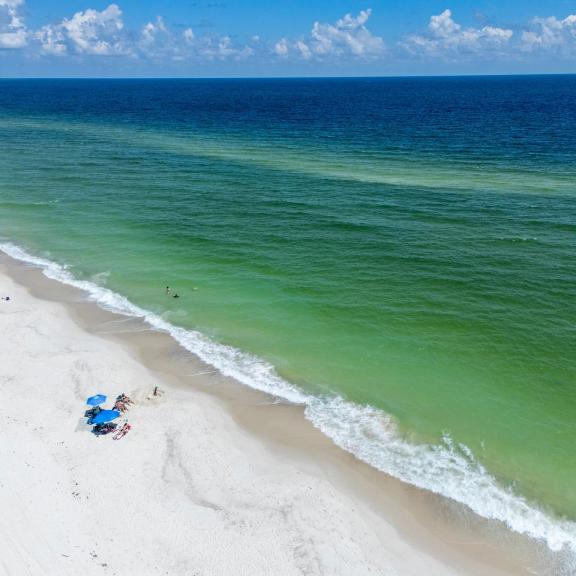
Building a home on the Gulf Coast or in a low-lying area offers undeniable appeal. Water views, coastal breezes, and proximity to nature make these properties highly desirable. However, these same features also introduce unique challenges that must be addressed early in the construction process. Homeowners who understand the realities of coastal and low-elevation building are better equipped to make smart decisions that protect their investment and ensure long-term durability.
Understanding the Nature of Coastal and Low-Lying Properties
Coastal and low-lying land behaves differently than higher-elevation inland sites. These areas are more susceptible to flooding, soil saturation, erosion, and shifting ground conditions. Heavy rainfall, storm surge, and high water tables can all impact how a home performs over time. Without proper planning, these environmental factors can lead to foundation issues, drainage problems, and moisture intrusion that affect both the structure and livability of a home.
The Critical Role of Site Evaluation
Every successful coastal build begins with a thorough site evaluation. Soil composition, elevation levels, and natural drainage patterns must be carefully assessed before construction begins. In low-lying areas, understanding how water moves across the property is essential. A detailed evaluation helps determine whether additional grading, fill, or elevation is required to safely support a home. Skipping this step or underestimating its importance can result in costly problems later.
Elevation and Flood Considerations
Elevation plays a major role in protecting homes built near the coast or in flood-prone areas. Many properties must meet specific elevation requirements set by local building codes and floodplain regulations. Elevating a home above base flood levels helps reduce the risk of water intrusion during heavy rain or storm events. Proper elevation also plays a role in insurance costs, as homes built above flood levels may qualify for more favorable insurance rates.
Choosing the Right Foundation System
Not all foundation systems perform equally in coastal or low-lying environments. The right foundation depends on soil conditions, elevation requirements, and exposure to moisture. Some sites require raised foundations or specialized systems designed to accommodate shifting soils and high water tables. A properly designed foundation provides stability, improves drainage, and helps protect the structure from long-term settlement or movement.
Managing Water and Drainage
Water management is one of the most important aspects of building in low-lying or coastal areas. Proper grading ensures that water flows away from the home rather than collecting near the foundation. Drainage systems must be designed to handle heavy rainfall and allow water to move efficiently off the property. When drainage is properly addressed from the start, it significantly reduces the risk of erosion, foundation damage, and moisture-related issues.
Building for Moisture and Humidity
High humidity is a constant factor in coastal environments. Homes must be built to manage moisture effectively both inside and out. Proper ventilation, moisture-resistant materials, and tight building envelopes help reduce the risk of mold, mildew, and wood rot. These considerations are just as important as structural strength and play a major role in maintaining indoor air quality and overall comfort.
Navigating Codes and Regulations
Coastal and low-lying properties are often subject to stricter building codes and permitting requirements. These regulations are designed to improve safety, resilience, and environmental protection. Homeowners should be prepared for additional inspections and compliance requirements when building in these areas. Working with a builder who understands local codes ensures the project stays on track and avoids unnecessary delays.
Long-Term Durability and Maintenance
Homes built near the coast require thoughtful material selection and construction methods to withstand ongoing environmental exposure. Salt air, moisture, and wind can accelerate wear if materials are not chosen carefully. Builders experienced in coastal construction understand how to minimize long-term maintenance by selecting durable materials and using proven building techniques that stand up to harsh conditions.
The Importance of Choosing an Experienced Builder
Perhaps the most important decision a homeowner can make is selecting a builder with experience in coastal and low-lying construction. These environments demand specialized knowledge that goes beyond standard homebuilding practices. An experienced builder anticipates challenges, plans for environmental conditions, and builds homes designed to perform for decades, not just pass inspection.
Building with Confidence on the Gulf Coast
Building on coastal or low-lying land requires careful planning, expert execution, and a deep understanding of the environment. When done correctly, these homes can offer beauty, comfort, and long-term value without sacrificing safety or durability. With the right preparation and the right builder, homeowners can confidently enjoy the benefits of coastal living while knowing their home is built to withstand the unique challenges of the Gulf Coast.


