
When safety is at the forefront of any construction project, choosing materials that offer the highest level of protection is essential. Among the various structural systems available today, Insulated Concrete Form (ICF) walls stand out not only for their energy efficiency and strength but also for their exceptional fire resistance. In both residential and commercial settings, fire safety is a critical factor—one that ICF walls address with confidence and clarity.
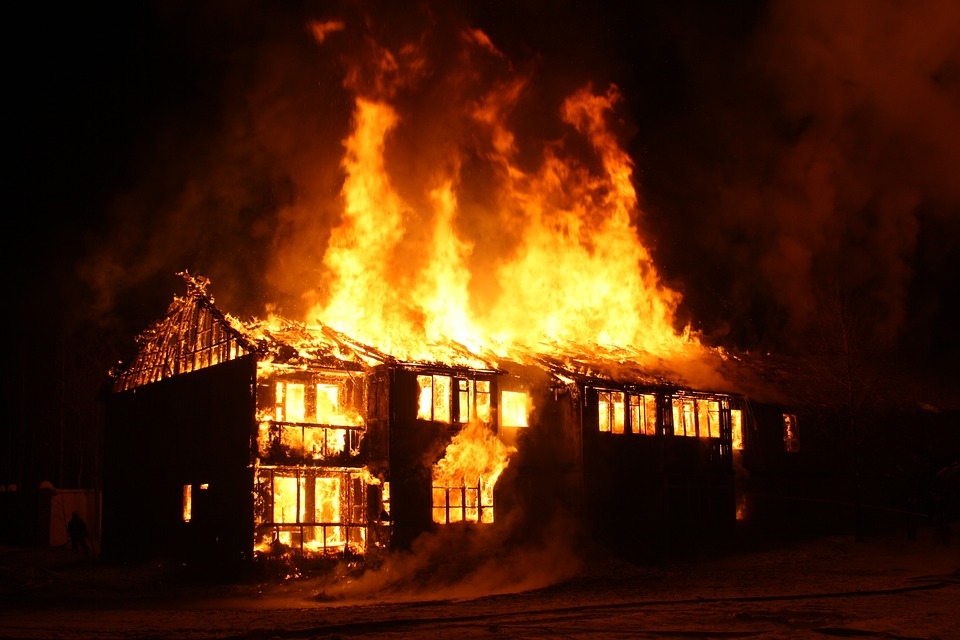
Fire can devastate a building in a matter of minutes, threatening lives and causing irreparable property damage. Traditional building materials like wood, while popular and cost-effective, are inherently combustible and susceptible to the rapid spread of flames. ICF construction, however, provides a powerful alternative. These walls combine a steel-reinforced concrete core with layers of fire-retardant foam insulation, creating a barrier that is engineered to withstand extreme temperatures and prevent the spread of fire. As climate conditions grow more unpredictable and fire risks increase in certain regions, the demand for fire-resistant building solutions has never been greater.
Understanding the Fire Resistance of ICF Construction
The core strength of ICF walls lies in their non-combustible materials. The concrete used in these forms does not ignite, burn, or release toxic fumes when exposed to high heat. In fact, many ICF systems are rated to withstand direct fire exposure for up to four hours or more, giving occupants crucial time to escape and significantly minimizing structural damage. This fire endurance rating is significantly higher than most wood-frame constructions, which may begin to fail within 30 minutes of exposure.
Additionally, the foam insulation that forms the outer layers of ICF walls is not the same as basic untreated foam. It is specifically manufactured with fire-retardant additives, designed to resist ignition and reduce the production of smoke and toxic gases. This extra layer of safety adds critical protection in the event of a fire, helping to prevent the fire from penetrating into interior spaces while limiting hazardous air quality effects during an emergency.
The dual nature of ICF construction—solid concrete surrounded by treated foam—means that each component plays a distinct role in fire prevention. The concrete core blocks the spread of heat and flames, while the insulation helps maintain the wall’s structural integrity and shields against the rapid progression of combustion. The result is a wall system that not only resists fire but actively slows its development, giving first responders more time to act and providing invaluable peace of mind for those inside.
Why Fire Resistance Matters More Than Ever
Fire safety is no longer a consideration limited to rural or wildfire-prone areas. With the increased use of synthetic building materials, tighter building envelopes, and densely packed neighborhoods, the risk of fire damage has become a universal concern. Insurance companies are taking notice as well, with many offering reduced premiums for homes and commercial buildings constructed using fire-resistant methods like ICF. These cost savings over time can further offset any initial investment in high-quality materials.
Moreover, building codes and safety standards continue to evolve, requiring developers to adhere to stricter fire protection measures. ICF construction not only meets but often exceeds these codes, making it a forward-thinking choice for contractors and property owners. As municipalities and states begin to place greater emphasis on fire safety in both new construction and remodeling, choosing a fire-resistant system today ensures compliance tomorrow.
Beyond the code requirements and insurance implications, the human element is paramount. Fires can happen at any time and often without warning. Whether caused by electrical malfunctions, kitchen accidents, or external factors like lightning strikes or nearby wildfires, a fire can quickly escalate if the structure itself is not designed to contain it. ICF walls offer a critical line of defense, helping to preserve life, property, and stability in moments when every second counts.
Applications in Residential and Commercial Construction
The fire resistance of ICF walls makes them a versatile solution for a wide range of projects. In residential settings, homeowners appreciate the security of knowing their family is better protected in the event of a fire. Builders, in turn, benefit from constructing homes that align with modern safety expectations while also offering long-term durability and energy savings.
In commercial and institutional environments—such as schools, hospitals, hotels, and office buildings—fire resistance is even more vital. These types of buildings often contain more occupants and may have more complex evacuation requirements. The ability of ICF walls to slow fire spread, reduce smoke generation, and maintain structural integrity under stress makes them a top choice for architects and engineers looking to maximize safety without compromising design.
Another important consideration is how fire-resistant construction supports sustainable building goals. Fires generate significant environmental damage, releasing pollutants into the air and leading to the disposal of vast quantities of damaged materials. Preventing fire-related destruction helps conserve resources and reduce a building’s long-term environmental footprint. ICF structures, with their durability and resilience, contribute to sustainable development by reducing the frequency of rebuilds and the carbon emissions associated with them.
Peace of Mind Through Performance
When evaluating the long-term benefits of ICF walls, fire resistance stands out as a feature that provides value far beyond the construction phase. It enhances the safety of occupants, protects valuable property, and creates structures that are better equipped to withstand one of nature’s most destructive forces. While other advantages of ICF—such as energy efficiency, soundproofing, and disaster resistance—are frequently celebrated, the fire resistance aspect deserves just as much attention, especially in an age where preparedness and resilience are more critical than ever.
The choice to invest in fire-resistant construction is not just about checking boxes on a code compliance form—it’s about building confidence into every square foot of your home or facility. ICF walls deliver that confidence through science, design, and proven performance. As more contractors and homeowners recognize the importance of fire safety, this innovative building method continues to set the standard for safety-focused construction.
Final Thoughts: Building for a Safer Future
The future of construction lies in solutions that prioritize not just aesthetics or affordability but safety, longevity, and environmental responsibility. ICF walls exemplify this philosophy by offering a superior level of fire resistance in a world where every safeguard matters. Whether you’re a homeowner looking for peace of mind or a builder aiming to deliver the highest quality results, fire-resistant construction should be a top priority—and ICF walls are leading the way.
By understanding how ICF walls resist fire and protect what matters most, property owners can make more informed decisions that result in safer, more resilient structures. In the end, fire safety isn’t just about preventing damage—it’s about protecting lives, preserving investments, and building a future that’s ready for whatever comes next.


