
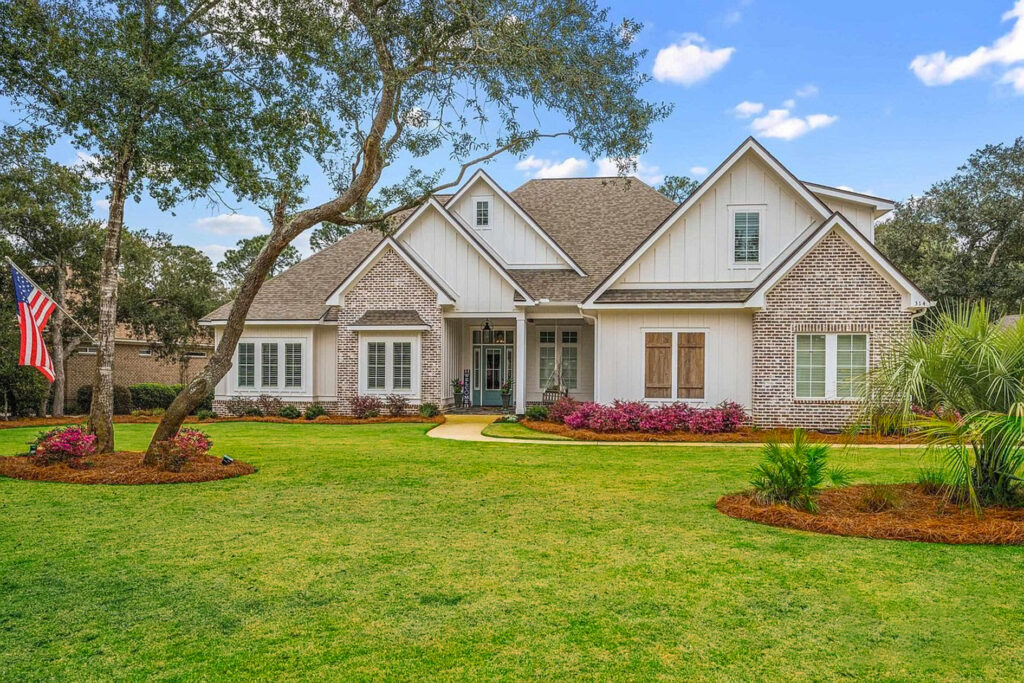
Insulated Concrete Forms (ICF) have become a popular choice for modern home construction, offering durability, energy efficiency, and soundproofing. Despite their growing popularity, many homeowners still have misconceptions about ICF homes. Understanding the truth behind these myths can help you make informed decisions when planning your next custom build.
Misconception 1: ICF Homes Are Only for Commercial Buildings
Many people believe that ICF is suitable only for large commercial projects or industrial structures. In reality, ICF is ideal for residential construction, including single-family homes, multi-family units, and luxury custom builds. Homeowners can enjoy all the benefits of ICF — from energy savings to durability — without sacrificing design flexibility.
Misconception 2: ICF Homes Look Like Concrete Boxes
Another common misconception is that ICF homes appear plain or “boxy.” While the walls are made of concrete forms, the finish can be anything from traditional siding, brick, stone, or stucco. ICF provides a strong structural foundation while allowing for virtually unlimited architectural designs, both inside and out.
Misconception 3: ICF Construction Is Too Expensive
It’s true that the upfront cost of ICF construction can be slightly higher than traditional wood-frame construction. However, the long-term savings on energy bills, reduced maintenance, and improved durability often outweigh the initial expense. Many homeowners find that ICF pays for itself over time, making it a smart investment rather than a costly alternative.
Misconception 4: ICF Homes Are Difficult to Modify
Some believe that once an ICF home is built, making changes like adding windows, doors, or renovations is challenging. While ICF walls are strong, professional contractors have specialized techniques to safely modify or expand the structure. The flexibility of ICF allows homeowners to create functional and beautiful spaces without limitations.
Misconception 5: ICF Is Not Environmentally Friendly
Because ICF uses concrete, some think it’s bad for the environment. In fact, ICF is highly energy-efficient, reducing heating and cooling needs and lowering carbon footprints over the life of the home. Additionally, many ICF materials are recyclable, and their longevity reduces the need for frequent repairs or replacements, making ICF a sustainable choice.
Misconception 6: ICF Construction Takes Too Long
Another myth is that building with ICF significantly slows down the construction process. While the technique is different from traditional framing, professional crews are trained to pour, assemble, and finish ICF efficiently. In many cases, ICF homes can be completed on a similar timeline as conventional construction, with the added benefits of strength and energy efficiency.
Final Thoughts
ICF construction offers unmatched durability, energy efficiency, and design flexibility, yet misconceptions still linger. By understanding the facts, homeowners can make confident decisions when choosing ICF for their custom homes.
With the right contractor, like Batten Builders, you can enjoy all the benefits of ICF while creating a home that’s stylish, comfortable, and built to last. Don’t let myths hold you back from building your dream home with modern, energy-efficient technology.


