Building a new home or remodeling an existing one is an exciting journey—but it can also be overwhelming. From budgeting to design decisions, construction projects require careful planning and clear communication. Even small missteps can lead to delays, cost overruns, or frustration. Fortunately, many common mistakes are preventable with the right knowledge and preparation. In this blog, we’ll explore the most frequent errors homeowners make during construction and provide strategies to avoid them, ensuring a smoother, more successful project.
Underestimating the Budget
One of the most common mistakes homeowners make is underestimating the total cost of construction. Even a well-planned project can encounter unexpected expenses such as material price increases, permit fees, or unforeseen structural issues.
How to Avoid It:
Start with a realistic budget that includes a contingency fund of at least 10–15% for unexpected costs. Work closely with your builder to review line items, materials, and labor costs. Transparent communication about budget limitations helps prevent surprises down the line.
Failing to Plan for the Long Term
Many homeowners focus on immediate needs without considering future requirements. Choices in layout, materials, or finishes may be suitable today but problematic years later. For example, insufficient storage, lack of energy-efficient features, or outdated room designs can create challenges down the road.
How to Avoid It:
Think about how your family and lifestyle may change over time. Plan for energy efficiency, storage, and flexible spaces that can adapt as needs evolve. Discuss long-term priorities with your builder early in the planning process.
Neglecting Research on Materials and Finishes
Choosing the right materials is more than a matter of aesthetics. Durability, maintenance requirements, and suitability for the local climate are critical factors. Opting for cheaper or unfamiliar materials can lead to costly replacements or repairs later.
How to Avoid It:
Research materials thoroughly and rely on your builder’s expertise. Ask questions about durability, maintenance, and warranties. Invest in high-quality materials where it counts, especially in areas exposed to weather or heavy use.
Overlooking Permits and Regulations
Skipping permits or ignoring building codes is a serious mistake that can cause legal issues, fines, and delays. Even minor renovations may require permits or inspections, depending on your location.
How to Avoid It:
Work with a knowledgeable builder who understands local regulations and ensures all permits and inspections are properly obtained. Compliance with codes protects both your investment and your safety.
Poor Communication With the Builder
Miscommunication between homeowners and builders is a leading cause of delays and mistakes. Unclear instructions, assumptions, or lack of updates can lead to construction errors, unexpected costs, or design inconsistencies.
How to Avoid It:
Maintain regular communication through meetings, emails, or project management tools. Document decisions and changes, and don’t hesitate to ask questions or request clarification. A collaborative approach helps ensure everyone is on the same page.
Making Frequent Changes Mid-Construction
While some flexibility is necessary, constant design changes during construction can increase costs, cause delays, and create logistical challenges.
How to Avoid It:
Finalize designs, layouts, and materials as much as possible before construction begins. If changes are necessary, discuss potential impacts on budget and timeline with your builder before making decisions.
Ignoring Site Preparation and Inspection
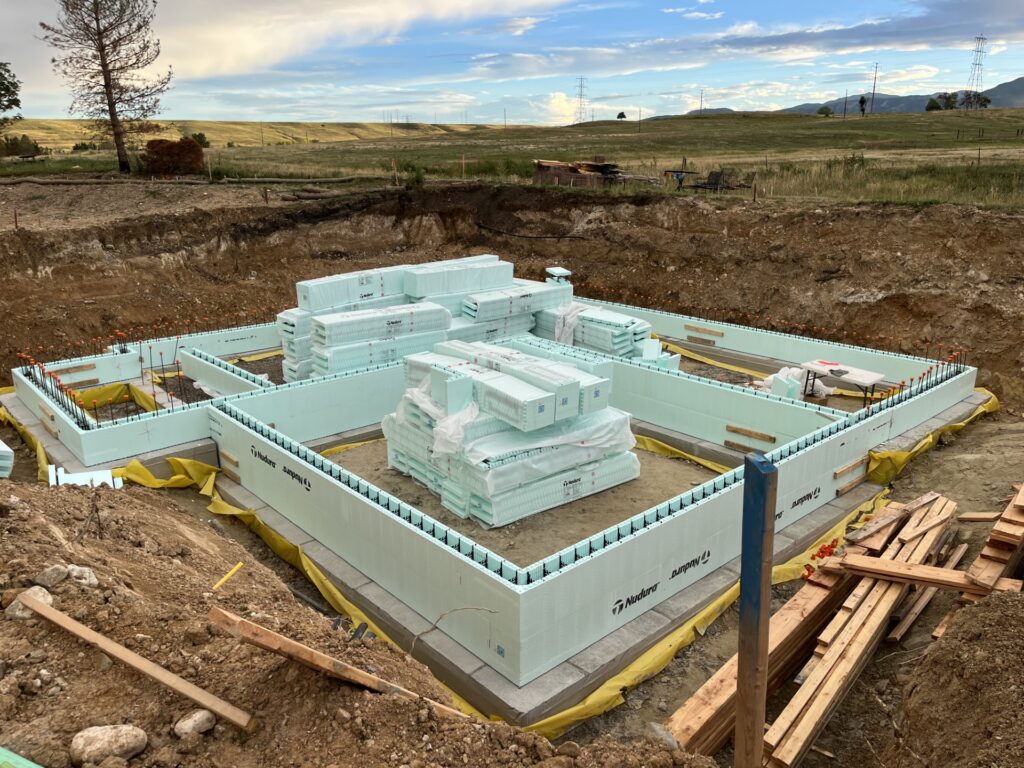
A poorly prepared construction site can lead to foundational issues, drainage problems, or structural weaknesses. Skipping inspections can result in defects that are costly to correct later.
How to Avoid It:
Ensure the site is properly evaluated and prepared before construction begins. Conduct all recommended inspections and address issues promptly to prevent long-term problems.
Underestimating the Time Commitment
Building a home or completing a major renovation requires active involvement. Many homeowners underestimate the time needed for decisions, site visits, or approvals, which can slow the project.
How to Avoid It:
Set aside dedicated time for meetings, walkthroughs, and approvals. Establish a realistic timeline with your builder and remain engaged throughout the construction process.
Failing to Prioritize Quality Over Cost
While budget is important, focusing solely on cost can compromise the quality of construction. Cheap shortcuts may save money upfront but can result in repairs, replacements, or safety issues later.
How to Avoid It:
Prioritize quality in critical areas such as foundations, roofing, windows, and structural components. Your home is a long-term investment, and quality construction pays off in durability and value.
Neglecting Contingency Planning for Weather or Delays
Weather, supply chain issues, or unforeseen circumstances can disrupt construction schedules. Many homeowners fail to anticipate these delays, causing frustration or rushed decisions.
How to Avoid It:
Build flexibility into your timeline and budget. Discuss potential risks with your builder and plan for contingencies to ensure a smoother construction process.
Final Thoughts
Avoiding common construction mistakes requires foresight, communication, and collaboration with experienced professionals. By budgeting carefully, planning for the long term, choosing quality materials, and maintaining open communication with your builder, you can prevent costly errors and enjoy a successful construction experience. Remember, building or renovating a home is an investment in your future—taking the time to plan and execute it properly ensures both peace of mind and a lasting, high-quality result.
With the right preparation and support, homeowners can transform the construction process from stressful to seamless, turning their dream home into a reality without unnecessary setbacks.