Living on the Gulf Coast comes with incredible views, warm weather, and vibrant communities—but it also means preparing for the occasional hurricane. For homeowners, one of the most important ways to safeguard both your property and your financial investment is through hurricane-resistant construction. Whether you’re building a new home or upgrading an existing one, understanding the benefits of hurricane-resistant design and materials is crucial. In this blog, we’ll explore how hurricane-resistant construction protects your investment, the strategies builders use, and why it’s worth prioritizing when planning your next home project.
Why Hurricane Resistance Matters
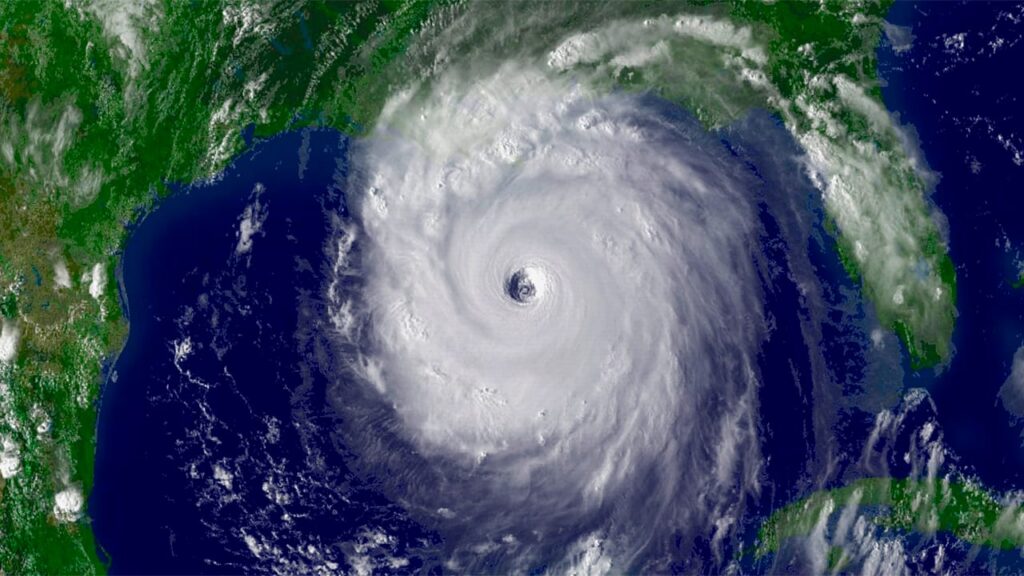
Hurricanes can be devastating, causing extensive structural damage, flooding, and costly repairs. Traditional construction methods may not be sufficient to withstand strong winds and heavy rain common in coastal regions. Homes built without hurricane-resistant features are more likely to suffer from roof damage, broken windows, and compromised structural integrity.
Investing in hurricane-resistant construction does more than protect your home during a storm—it safeguards your financial future. Lower repair costs, reduced insurance premiums, and enhanced property value are all tangible benefits of a home built to withstand extreme weather.
Key Elements of Hurricane-Resistant Construction
Building a hurricane-resistant home involves a combination of smart design, high-quality materials, and meticulous engineering. Here are the key elements that contribute to stronger, safer homes:
Structural Reinforcements
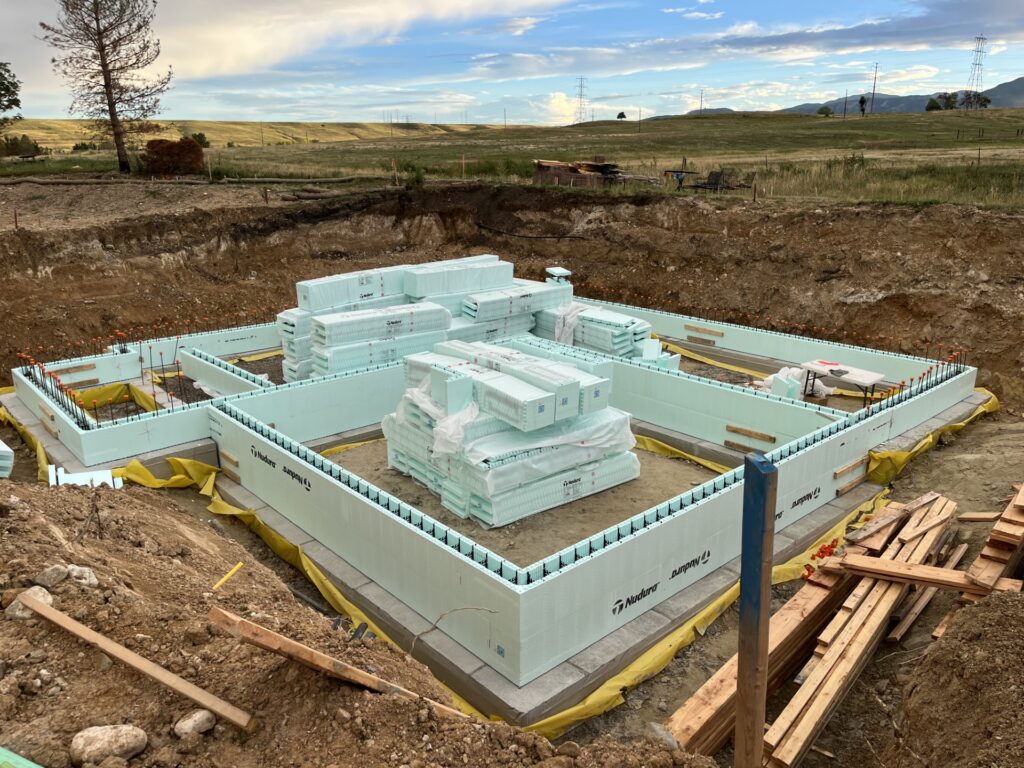
Strong framing is the backbone of any hurricane-resistant home. Builders often use reinforced concrete, steel framing, or Insulated Concrete Forms (ICF) to create walls and foundations that can withstand high winds and flying debris. Reinforced connections between walls, roofs, and foundations prevent structural failure during severe weather events.
Impact-Resistant Windows and Doors
Windows and doors are common points of vulnerability during a hurricane. Impact-resistant glass or storm shutters can prevent breakage and keep water and debris out. Choosing doors with reinforced frames and high wind ratings further increases your home’s durability.
Elevated Foundations
Flooding is a major concern in coastal areas. Elevating the foundation of your home helps protect against rising waters and storm surges. Many hurricane-resistant homes are built on pilings, stilts, or raised slabs to reduce flood damage and maintain long-term structural integrity.
Roof Design and Materials
The roof is often the first point of impact during a hurricane. Hip roofs, reinforced trusses, and high-wind-rated shingles or metal roofing materials reduce the risk of catastrophic damage. Proper roof-to-wall connections ensure that the roof remains secure even in extreme conditions.
Water-Resistant Materials
Using water-resistant materials for siding, flooring, and insulation can minimize the impact of flooding and heavy rain. This not only protects your home but also prevents costly repairs and mold issues after a storm.
How Hurricane-Resistant Construction Protects Your Investment
Investing in hurricane-resistant construction is a proactive way to protect both your home and your finances. Here’s how:
Reduced Repair Costs
A home built with reinforced structures, impact-resistant windows, and water-resistant materials is far less likely to incur severe damage during a storm. Fewer repairs mean less money spent on restoration and replacement.
Lower Insurance Premiums
Insurance companies recognize the reduced risk associated with hurricane-resistant homes. In many cases, homeowners can qualify for lower premiums or discounts on coverage, saving thousands of dollars over the life of the policy.
Increased Property Value
Homes designed with hurricane resistance in mind are highly sought after in coastal markets. Buyers value the safety, durability, and peace of mind these homes offer, which can boost your property’s resale value.
Peace of Mind
Perhaps the most important benefit is peace of mind. Knowing that your home is built to withstand the worst of Mother Nature allows you to enjoy coastal living without constant worry about storms or damage.
Choosing the Right Builder for Hurricane-Resistant Homes
Not all builders are experienced in hurricane-resistant construction. When selecting a builder, look for:
-
Proven experience with storm-resilient designs
-
Knowledge of local building codes and hurricane standards
-
Use of quality materials and modern construction techniques
-
Positive client reviews and completed projects in coastal regions
A skilled builder like Batten Builders ensures that every detail—from foundation to roof—is engineered to provide maximum protection, while still delivering the style, comfort, and luxury homeowners expect.
Additional Tips for Protecting Your Investment
Even with a hurricane-resistant home, preparation is key:
-
Maintain storm shutters and impact-resistant windows
-
Keep your roof and gutters in good condition
-
Elevate outdoor HVAC units and utilities
-
Create a comprehensive emergency plan for your family
By combining hurricane-resistant construction with proactive maintenance and preparation, you maximize protection for both your home and your investment.
Final Thoughts
Hurricane-resistant construction is more than just a building strategy—it’s a smart financial and lifestyle choice for Gulf Coast homeowners. From reinforced structures to impact-resistant windows, every feature contributes to reducing damage, lowering costs, and enhancing property value. Investing in a home built to withstand hurricanes ensures you can enjoy the beauty of coastal living with confidence, knowing your investment is secure.
When planning your next build or renovation, consider hurricane-resistant construction as an essential component of your design. With the right builder, materials, and preparation, you’re not just constructing a home—you’re protecting your future.