
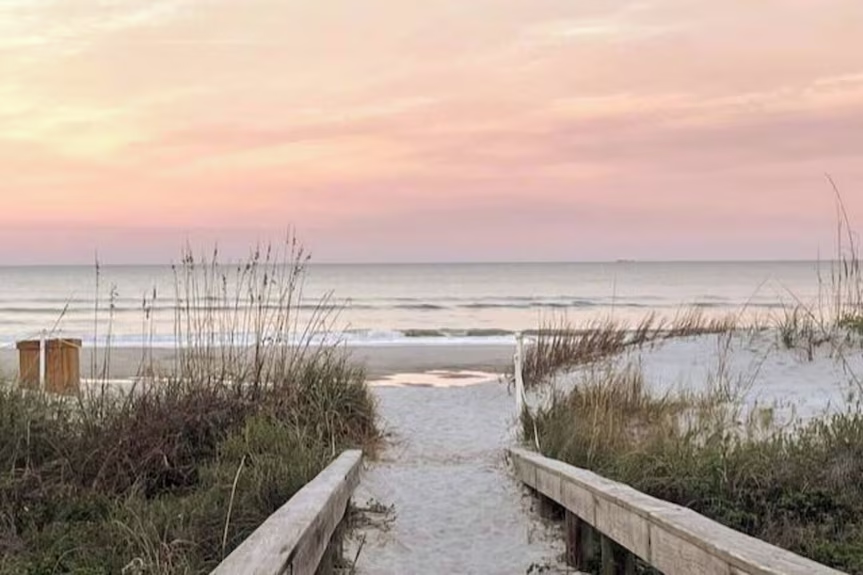
Living near the Gulf Coast offers an incredible lifestyle. The views, the fresh ocean breeze, and the coastal charm make homes in this region highly desirable. However, with this lifestyle comes a unique challenge: salt air. Salt carried by coastal winds can cause long-term damage to building materials and structural components if not properly addressed. Understanding how salt air impacts homes and the strategies builders use to prevent damage is essential for maintaining a safe, durable, and beautiful coastal home.
The Effects of Salt Air on Building Materials
Salt air is highly corrosive, particularly to metals. Over time, even fasteners like nails, screws, and brackets can begin to rust, compromising structural integrity. Metal roofing, railings, and exterior fixtures are also vulnerable, and untreated corrosion can spread to other connected materials. Beyond metals, salt can affect finishes like paint, siding, and stucco, causing them to fade, crack, or deteriorate faster than in inland locations. Without proper planning, a home exposed to coastal salt air can experience accelerated wear that may lead to expensive repairs and decreased longevity.
Why Structural Components Are at Risk
Critical structural components are especially susceptible to corrosion and wear in coastal environments. Metal connectors, fasteners, and reinforcements within framing, decks, and exterior elements can weaken over time if exposed to salt. Even high-quality wood and concrete are not immune. Moisture in combination with salt air can lead to rot, swelling, or cracking if materials are not selected and treated appropriately. For homeowners, this emphasizes the importance of both thoughtful construction and routine maintenance.
Materials That Stand Up to Coastal Conditions
Experienced builders know that the right materials make all the difference. Stainless steel or hot-dipped galvanized fasteners, corrosion-resistant metals, and treated or engineered wood products are standard in coastal construction. Exterior finishes such as marine-grade paints, sealants, and coatings create a protective barrier against salt penetration. By combining the right materials with proper installation techniques, builders significantly extend the life of a home and minimize long-term maintenance challenges.
Designing Homes with Salt Air in Mind
Beyond materials, design decisions play a key role in mitigating salt air damage. Adequate ventilation prevents moisture buildup that can accelerate corrosion, while careful planning of drainage systems keeps water away from sensitive structural areas. Overhangs, covered decks, and strategic landscaping can further protect the home from direct exposure to salt-laden winds. When design and materials work together, the home is better equipped to withstand the environmental challenges of coastal living.
Maintenance Strategies for Longevity
Even the best-built homes require ongoing care in coastal environments. Regular inspections and cleaning to remove salt residue from exterior surfaces help maintain both aesthetic appeal and structural integrity. Touching up finishes, tightening fasteners, and checking for early signs of corrosion can prevent minor issues from becoming major repairs. Builders often provide homeowners with maintenance guidelines specific to salt-prone areas, ensuring that proactive care keeps the home in peak condition.
Building Coastal Homes That Last
Salt air is a natural part of living on the Gulf Coast, but it doesn’t have to shorten the lifespan of a home. With thoughtful material selection, proven construction techniques, and strategic design, builders can mitigate the effects of salt and create homes that are both beautiful and durable. Coastal living comes with unique challenges, but when homes are built with these factors in mind, homeowners can enjoy the ocean breeze, stunning views, and the Gulf Coast lifestyle with confidence.
The Importance of Working with an Experienced Builder
When building near the coast, selecting an experienced builder is crucial. Skilled contractors understand the materials, methods, and maintenance practices needed to combat salt air exposure. They design and construct homes that not only meet aesthetic goals but also ensure long-term durability. By trusting professionals who specialize in Gulf Coast conditions, homeowners can protect their investment and enjoy the benefits of coastal living for decades to come.


