Choosing how your home is built is one of the most important decisions you’ll make during the construction process. While floor plans and finishes often get the most attention, the structure behind the walls is what truly determines how your home performs over time. For homeowners building on the Gulf Coast, that decision is even more critical due to heat, humidity, storms, and long-term durability concerns. Two of the most common construction methods are Insulated Concrete Forms, known as ICF, and traditional wood framing. Each has its own advantages, and understanding the differences can help you choose the best solution for your lifestyle, budget, and long-term goals.
Understanding Traditional Wood Framing
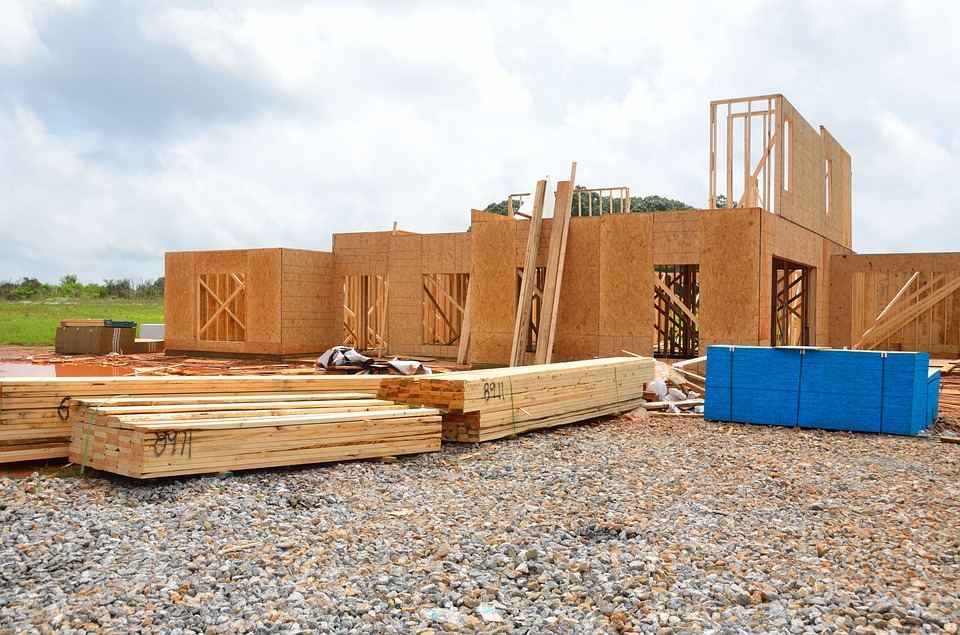
Traditional wood framing has been the standard construction method for decades. It uses dimensional lumber to create a structural skeleton that is then wrapped in sheathing, insulation, and exterior finishes. This approach is familiar to most builders and is often more affordable upfront, which makes it appealing to many homeowners.
One of the biggest advantages of wood framing is flexibility. Design changes are easier to make during construction, and materials are readily available. The method also tends to move quickly through the early phases of the build, allowing homeowners to see progress sooner.
However, wood framing does have limitations, especially in coastal environments. Wood is more vulnerable to moisture, mold, termites, and storm damage. Over time, these issues can lead to higher maintenance costs and potential structural concerns if not carefully managed.
What Makes ICF Construction Different
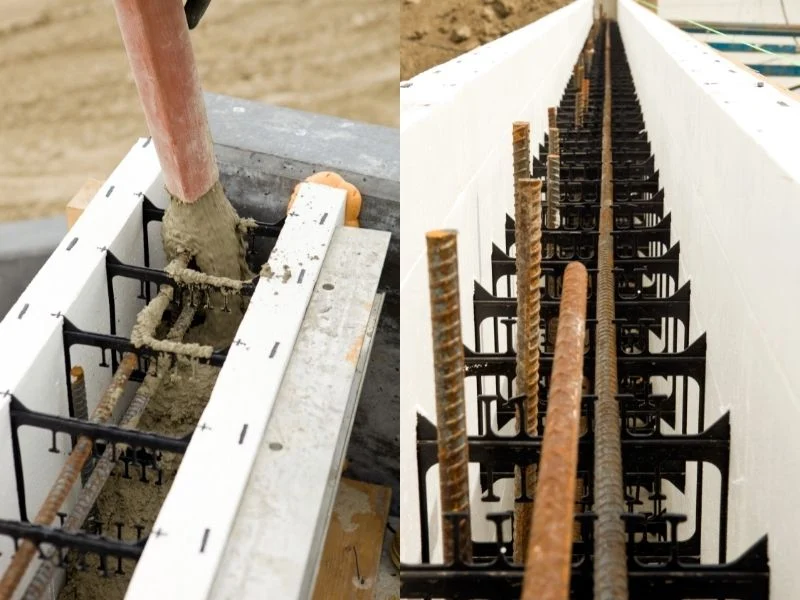
ICF construction uses interlocking foam forms that are stacked like building blocks and then filled with reinforced concrete. Once cured, these walls create a solid, continuous structure that is both load-bearing and insulated.
ICF walls are exceptionally strong, making them ideal for areas prone to hurricanes and severe weather. They also provide superior thermal performance, keeping homes cooler in the summer and warmer in the winter with significantly reduced energy usage.
Another key benefit of ICF is noise reduction. The thick, solid walls block outside sound far more effectively than traditional framing, creating a quieter and more comfortable living environment.
Comparing Energy Efficiency and Comfort
One of the biggest differences between ICF and wood framing is energy performance. ICF homes are designed with continuous insulation, which reduces air leaks and temperature fluctuations. This results in lower heating and cooling costs and a more consistent indoor climate year-round.
Traditional wood-framed homes can still be energy efficient, but they rely heavily on proper insulation installation and air sealing. Even small gaps can lead to energy loss, making long-term efficiency harder to maintain.
For Gulf Coast homeowners who rely on air conditioning most of the year, this difference can translate into significant savings over time.
Durability and Storm Resistance
When it comes to durability, ICF construction clearly stands out. Reinforced concrete walls are resistant to high winds, flying debris, and water intrusion. This makes ICF homes a smart choice for coastal and hurricane-prone areas.
Wood-framed homes can be built to meet code requirements for storm resistance, but they are inherently more vulnerable to wind damage and moisture-related issues. Over the lifespan of the home, this can mean more repairs and higher insurance considerations.
Cost Considerations and Long-Term Value
Upfront, ICF construction typically costs more than traditional framing. However, this higher initial investment often pays off through lower energy bills, reduced maintenance, improved durability, and potentially lower insurance premiums.
Wood framing may be more budget-friendly at the start, but homeowners should consider long-term costs such as repairs, energy usage, and upkeep when evaluating the total value of the home.
Which Option Is Right for You?
Choosing between ICF and traditional framing depends on your priorities. If you value strength, energy efficiency, comfort, and long-term savings, ICF is an excellent investment. If budget flexibility and faster construction are your main concerns, traditional framing may still be a suitable option.
At Batten Builders, we help homeowners weigh these options based on their goals, property location, and lifestyle. Our experience with both construction methods allows us to guide you toward the solution that best fits your needs.