Why Energy Efficiency Matters in Modern Homes
When building a custom home, energy efficiency is more than just a trend—it’s a smart investment. Choosing the right materials can dramatically reduce utility bills, improve comfort, and even increase resale value. Today’s homeowners want homes that are not only beautiful but also sustainable and cost-effective over the long term. Energy-efficient materials help achieve all of these goals by minimizing heat loss in the winter, keeping interiors cooler in the summer, and reducing overall energy consumption.
Beyond savings, energy-efficient materials contribute to a healthier living environment. Proper insulation, low-emission paints, and high-performance windows reduce drafts, allergens, and indoor pollutants, creating a home that’s comfortable year-round. For those who are environmentally conscious, energy efficiency also means reducing the home’s carbon footprint and contributing to a more sustainable future.
Insulation: The Foundation of Efficiency
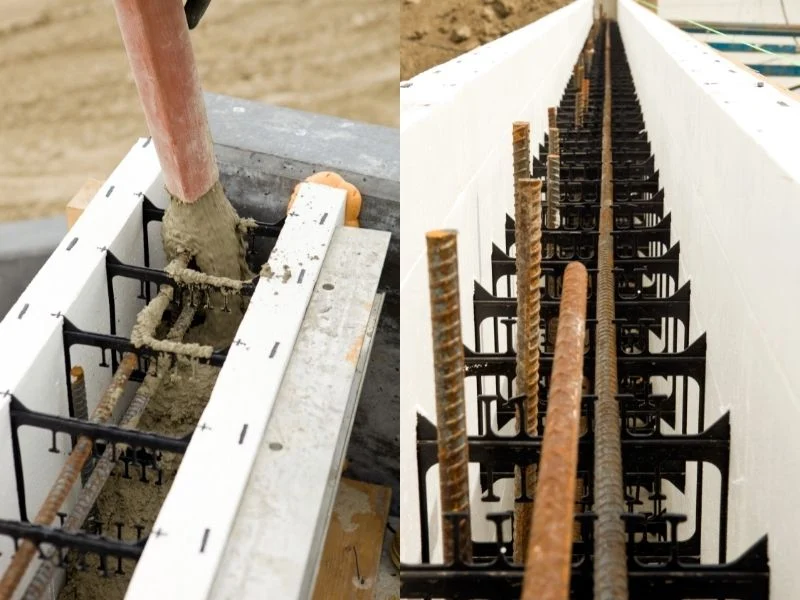
Insulation is one of the most critical components of an energy-efficient home. It acts as a barrier, keeping heat inside during cold months and outside during warmer months. Modern insulation options—such as spray foam, rigid foam panels, or high-quality fiberglass—offer superior thermal resistance compared to older methods. Properly installed insulation can save homeowners hundreds of dollars annually on heating and cooling costs while enhancing comfort.
Additionally, insulation helps prevent moisture buildup and condensation, which can lead to mold and structural issues over time. When planning a custom home, working with builders who prioritize insulation ensures the home remains comfortable, efficient, and durable for years to come.
Windows and Doors: Small Features, Big Impact
Windows and doors play a significant role in a home’s energy performance. Modern energy-efficient options include double- or triple-pane glass, low-emissivity coatings, and insulated frames. These materials reduce heat transfer, block harmful UV rays, and improve overall thermal performance.
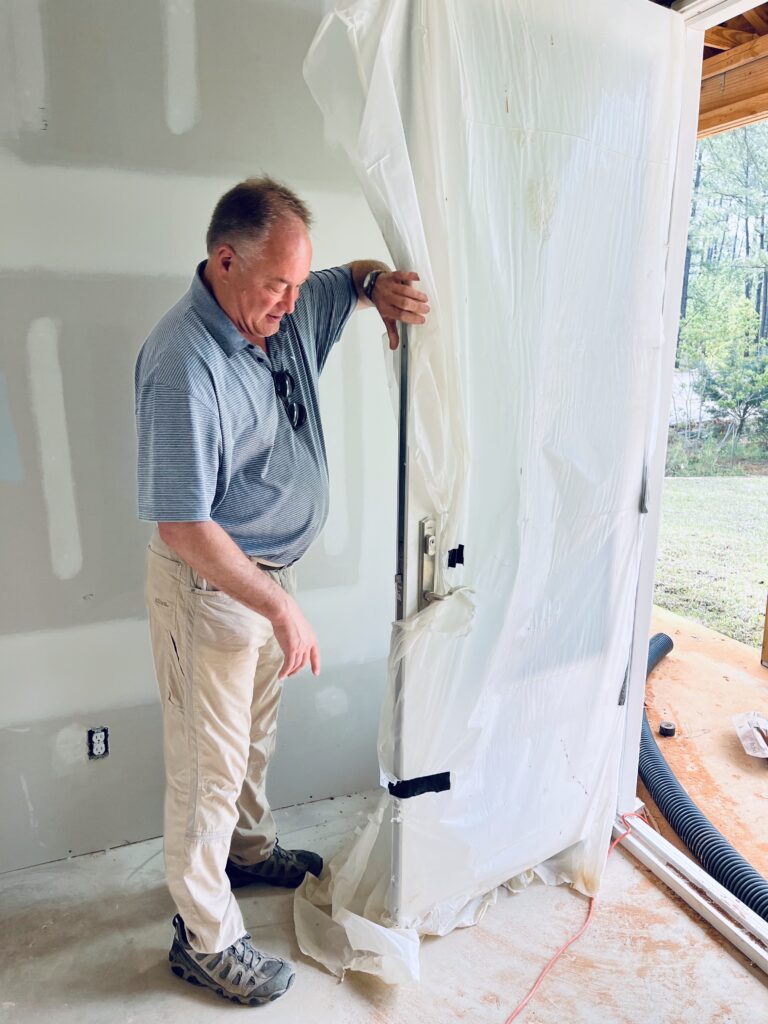
High-quality doors—particularly exterior doors—also prevent drafts and minimize energy loss. Proper installation is just as important as the materials themselves; even the best windows and doors won’t perform well if gaps or poor sealing allow air infiltration. By investing in energy-efficient windows and doors, homeowners can maintain a consistent indoor temperature, lower energy costs, and increase overall comfort.
Roofing and Siding: Protecting Your Home from the Elements
The roof and siding are the first line of defense against the elements, and choosing energy-efficient materials in these areas has long-term benefits. Reflective or light-colored roofing can reduce heat absorption during the summer, keeping the home cooler and easing the load on air conditioning systems. In addition, insulated siding options add another layer of thermal protection while enhancing the home’s curb appeal.
Durable, energy-efficient materials for roofs and siding not only improve efficiency but also reduce maintenance costs and extend the life of the exterior. This means homeowners spend less time and money on repairs while enjoying a home that performs optimally in all seasons.
Flooring, Lighting, and Appliances: Details That Matter
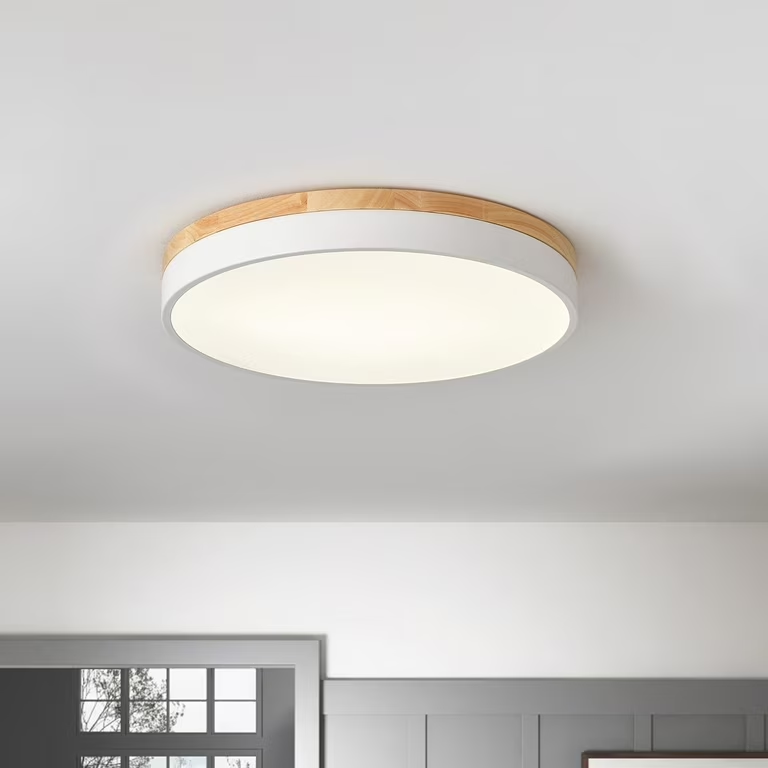
Energy efficiency extends beyond insulation, windows, and roofs. Flooring materials, LED lighting, and ENERGY STAR® rated appliances can make a noticeable difference in energy use. For example, polished concrete or tile floors retain and release heat differently than carpet, impacting heating and cooling requirements. LED lighting consumes a fraction of the electricity of traditional bulbs while lasting much longer.
High-efficiency appliances—from refrigerators to HVAC systems—further reduce energy consumption while maintaining the comfort and convenience homeowners expect. Selecting these materials during the design phase of a custom home ensures that the entire property works cohesively to maximize efficiency.
Balancing Cost and Long-Term Savings
Some homeowners hesitate to choose energy-efficient materials due to upfront costs. While premium insulation, windows, or roofing may be more expensive initially, the long-term savings on energy bills, maintenance, and even potential tax credits often outweigh the investment. Energy-efficient homes are also more appealing to future buyers, which can boost resale value and make the property stand out in the real estate market.
Working with experienced builders allows homeowners to select materials that balance cost, durability, and energy performance. Professional guidance ensures that every decision contributes to a home that is not only beautiful but also sustainable and efficient.
The Role of the Builder in Energy Efficiency
Choosing the right builder is essential to maximizing the benefits of energy-efficient materials. A knowledgeable builder guides homeowners through the selection process, recommends the best materials for the local climate, and ensures proper installation for optimal performance. Energy efficiency isn’t just about the materials themselves—it’s about the expertise behind their implementation.
Batten Builders specializes in crafting custom homes that are energy-efficient, comfortable, and built to last. By focusing on both materials and construction practices, the company helps homeowners achieve homes that are as practical as they are beautiful.
Conclusion
Energy-efficient materials are a critical component of any modern custom home. From insulation and windows to roofing, siding, and appliances, every choice contributes to comfort, durability, and cost savings. When planned and installed correctly, energy-efficient materials improve quality of life, reduce energy bills, and enhance long-term property value.
Partnering with an experienced builder ensures that energy efficiency is integrated seamlessly into the design and construction process. By prioritizing energy-efficient materials, homeowners can create a home that is not only stunning but also smart, sustainable, and prepared for the years ahead.