As homeowners increasingly seek comfort, affordability, and long-term value, energy-efficient construction has emerged as a key priority in modern homebuilding. Energy efficiency is more than a trend—it is a strategic approach that benefits both the environment and the homeowner’s quality of life. From design choices and materials to modern technologies, building smart and sustainable homes is reshaping the way people think about construction.
Energy-efficient homes are designed to reduce energy consumption while maintaining comfort. They integrate thoughtful insulation, durable materials, and innovative systems to create living spaces that perform consistently under varying conditions. Beyond reducing utility costs, energy-efficient design contributes to sustainability, lower environmental impact, and resilience against weather and climate-related challenges.
Understanding Energy Efficiency in Home Design
Energy efficiency begins with understanding how a home consumes energy. Heating, cooling, lighting, and water heating account for the majority of residential energy use. By carefully designing and constructing each element, builders can significantly reduce the energy required to maintain comfort.
The orientation of a home, window placement, and insulation quality all influence energy performance. Properly positioned windows maximize natural light while minimizing unwanted heat gain or loss. Well-insulated walls, roofs, and foundations maintain interior temperatures, reducing the load on heating and cooling systems. These decisions combine to create a home that is more comfortable year-round and less reliant on artificial energy inputs.
The Role of Insulated Concrete Forms (ICF)
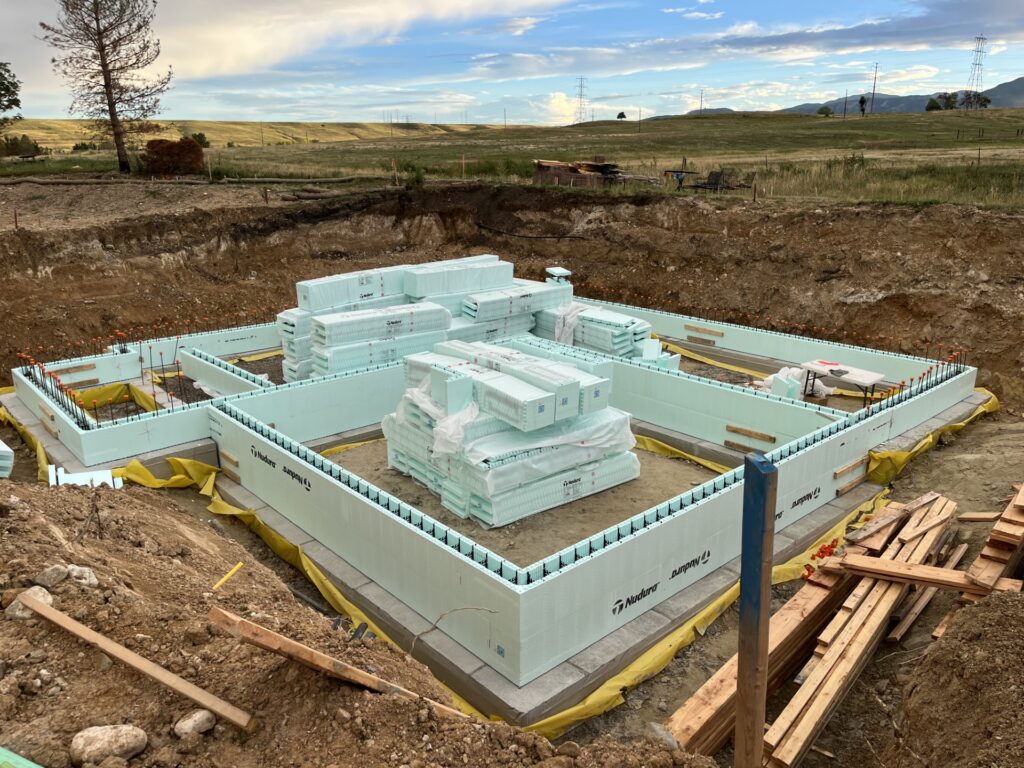
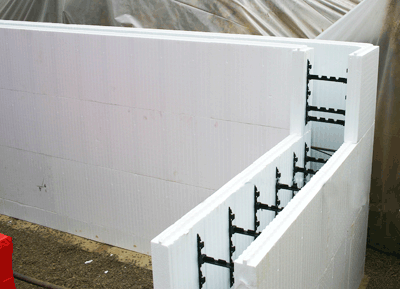
Insulated Concrete Forms (ICF) have become a cornerstone of energy-efficient construction. These systems combine reinforced concrete with insulating foam to form walls that are strong, thermally efficient, and highly durable. ICF walls provide superior insulation compared to traditional wood-frame construction, reducing energy needed for heating and cooling.
In addition to thermal efficiency, ICF walls are resilient. They offer excellent resistance to hurricanes, high winds, and water intrusion, making them ideal for regions prone to extreme weather. By combining strength and efficiency, ICF construction supports both comfort and long-term durability.
Efficient HVAC, Windows, and Insulation
Heating, ventilation, and air conditioning (HVAC) systems are another critical factor in energy-efficient homes. Properly sized systems that operate efficiently can dramatically reduce energy consumption. When paired with well-insulated ductwork, programmable thermostats, and thoughtful placement, HVAC systems maintain consistent comfort without excessive energy use.
Windows are also a significant consideration. Modern energy-efficient windows reduce heat transfer while maximizing natural light. Double- or triple-pane glass with low-emissivity coatings improves insulation and minimizes solar heat gain. Strategic window placement further enhances airflow, lighting, and temperature regulation, reducing the need for artificial climate control.
Insulation remains the foundation of an energy-efficient home. From walls and roofs to floors and foundations, quality insulation minimizes energy loss. It maintains consistent interior temperatures, reduces heating and cooling demands, and contributes to quieter, more comfortable living spaces.
Building for Long-Term Savings
Energy-efficient homes are not only better for the environment—they also save homeowners money over time. Reduced utility costs are one immediate benefit, but long-term savings extend to maintenance, system longevity, and overall durability. Homes constructed with high-performance materials and thoughtful energy planning require fewer repairs, experience less wear and tear, and maintain value over decades.
Investing in energy-efficient construction may involve higher upfront costs, but the long-term benefits often outweigh the initial investment. Lower operating costs, improved comfort, and increased resilience make these homes a smart choice for both families and investors.
Resiliency Against Weather and Climate Challenges
Energy efficiency and resiliency often go hand in hand. Homes built to minimize energy loss are frequently better equipped to handle environmental stresses. For example, ICF walls provide structural strength, insulation, and moisture resistance simultaneously. Roofing, siding, and storm-resistant windows further protect against extreme weather.
Climate considerations, such as heat, humidity, wind, or flooding potential, play a significant role in design decisions. By addressing these factors at the planning stage, builders can create homes that perform reliably under changing conditions, ensuring comfort and safety for occupants while reducing long-term repair costs.
Smart Technologies for Modern Living
Technology continues to expand the possibilities of energy-efficient homes. Smart thermostats, energy monitoring systems, and home automation allow homeowners to track energy use, adjust settings remotely, and optimize efficiency. These technologies enhance comfort, reduce waste, and provide insight into how energy is consumed daily.
Integrating technology also promotes convenience. Automated systems can manage heating and cooling, lighting, and even water usage based on occupancy or weather conditions. These innovations make energy-efficient homes not only cost-effective but also easier to manage for modern lifestyles.
Environmental and Community Benefits
Energy-efficient homes contribute to broader environmental goals as well. By reducing energy consumption, these homes help decrease greenhouse gas emissions and reliance on nonrenewable energy sources. Communities benefit from more sustainable development, reduced infrastructure strain, and improved resilience against climate events.
Homeowners also experience indirect benefits, including healthier indoor environments. Proper insulation, ventilation, and moisture control improve air quality, reduce allergens, and create spaces that are both comfortable and safe.
Making Energy Efficiency Accessible
Energy-efficient construction is not limited to custom luxury homes. Thoughtful design and quality materials can improve performance in a wide range of projects. Even modest homes benefit from insulation, proper orientation, and modern construction techniques. Builders who prioritize energy efficiency make high-performance homes accessible and practical for more families.
Education plays an important role in this process. Homeowners who understand the value of energy-efficient features are better equipped to make informed decisions, advocate for sustainable choices, and appreciate the long-term benefits of their investment.
Partnering with Experienced Builders
Energy-efficient construction requires expertise, planning, and attention to detail. Experienced builders understand how to balance cost, performance, and design goals while maximizing comfort and durability. At Batten Builders, every project is approached with a focus on quality, sustainability, and resiliency, ensuring that each home performs optimally for years to come.
From foundation to rooftop, materials are selected and integrated to provide lasting performance. Builders coordinate mechanical systems, insulation, and architectural design to optimize energy efficiency without compromising aesthetic appeal. This holistic approach ensures that homes are not only efficient but also enjoyable to live in.
Conclusion
The future of homebuilding is energy-efficient, sustainable, and resilient. Homes that prioritize thoughtful design, high-performance materials, and modern technologies offer comfort, cost savings, and peace of mind for homeowners. They withstand environmental challenges, reduce energy consumption, and contribute positively to communities and the environment.
Energy efficiency is more than a feature—it is a philosophy of building homes that work smarter, last longer, and provide greater value over time. By partnering with knowledgeable builders and embracing modern construction techniques, homeowners can enjoy homes that are safe, durable, and designed for the demands of today and the challenges of tomorrow.