
Energy efficiency is becoming a top priority for homeowners, and construction techniques are evolving to meet that demand. One of the most innovative and effective building methods today is ICF, or Insulated Concrete Forms, which is revolutionizing how homes are built and how they perform. From energy savings to durability, ICF homes offer benefits that traditional construction methods can’t match.
What Are ICF Homes?
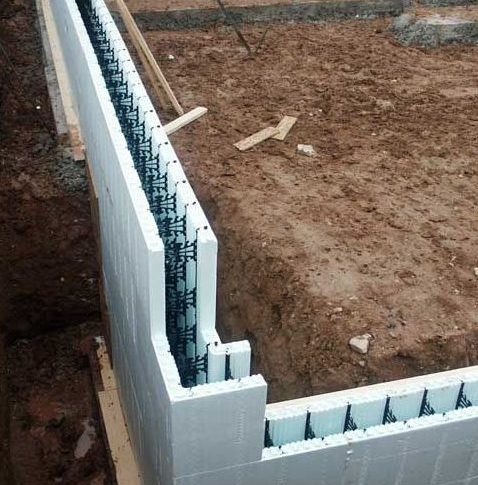
ICF stands for Insulated Concrete Forms, which are hollow foam blocks that are stacked to create the shape of a building’s walls and then filled with reinforced concrete. The foam remains in place, acting as both insulation and structural support. This combination of concrete and insulation creates a strong, energy-efficient, and comfortable home.
Unlike traditional wood-frame homes, ICF homes provide superior insulation on all sides of the wall, reducing energy loss and creating a more stable indoor climate year-round.
Energy Efficiency at Its Core
One of the primary benefits of ICF homes is energy efficiency. The combination of foam insulation and concrete minimizes heat transfer, reducing the need for excessive heating and cooling. Homeowners often see savings of 20-50% on energy bills compared to traditional construction.
ICF walls also reduce drafts and eliminate cold spots, keeping homes more comfortable in extreme weather conditions. This makes ICF homes particularly appealing for areas with hot summers, cold winters, or coastal climates where energy efficiency is critical.
Durability and Safety
Beyond energy savings, ICF homes are exceptionally durable. Concrete walls can withstand high winds, heavy rain, fire, and even seismic activity better than traditional wood-frame homes. This durability not only protects your investment but also provides peace of mind, knowing your home is safer and built to last.
Soundproofing and Comfort
The thick concrete and foam layers of ICF walls create excellent soundproofing, reducing noise from outside and between rooms. Homeowners enjoy a quieter, more serene living environment, whether it’s traffic noise, storm activity, or neighbors.
Environmental Benefits
ICF construction is also eco-friendly. Reduced energy consumption means lower carbon footprints over the life of the home. Additionally, ICF materials are often recyclable, and the long-lasting nature of the homes reduces the need for frequent repairs or replacements.
Cost Considerations
While the initial construction cost of an ICF home may be slightly higher than traditional construction, the long-term savings in energy bills, reduced maintenance, and durability make it a wise investment. Over time, homeowners often find that the cost difference pays for itself through energy savings and lower upkeep.
Final Thoughts
ICF homes represent the future of energy-efficient, sustainable, and durable living. With advantages in insulation, durability, soundproofing, and environmental impact, these homes are perfect for homeowners looking to invest in comfort, safety, and long-term savings.
For those interested in building a custom home that combines modern innovation with lasting value, ICF construction is a smart choice — and Batten Builders is ready to guide you every step of the way.


