In the world of homebuilding, choosing between construction methods can be one of the most important decisions a homeowner or builder makes. Among the many options available today, wood framing has consistently remained one of the most popular choices—and for good reason. When comparing it to alternatives like Insulated Concrete Form (ICF) construction, wood often stands out due to its lower initial costs, accessibility, versatility, and surprisingly strong performance across several key categories. While other materials might offer long-term advantages, it’s hard to ignore the practical benefits that wood framing brings right from the start.
Understanding the Lower Initial Costs of Wood Framing
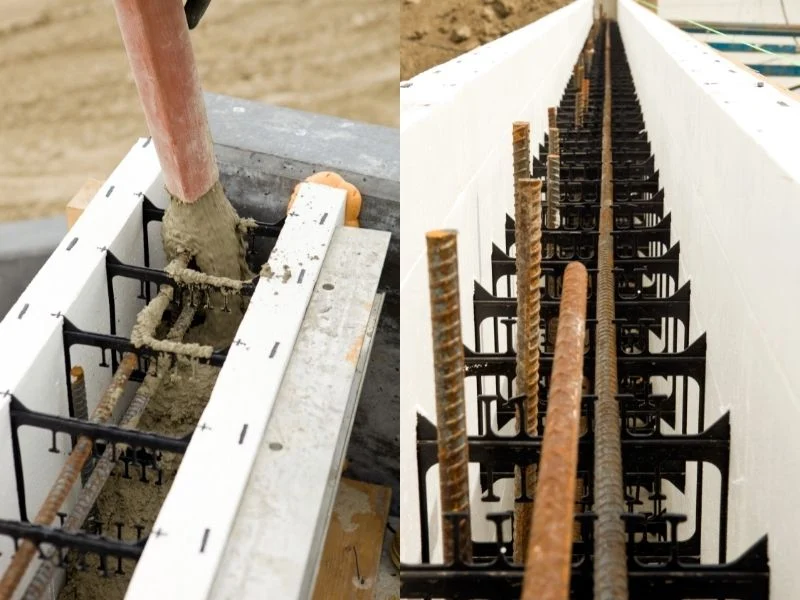
One of the biggest reasons wood framing is still widely used in residential construction is the affordability it offers from day one. Building with wood typically costs significantly less upfront than building with ICF or other modern alternatives. Lumber is readily available, competitively priced, and supported by a massive network of suppliers, builders, and craftsmen. In contrast, ICF materials, which consist of interlocking blocks filled with concrete and foam insulation, are specialized, more expensive, and often need to be ordered in advance or shipped from limited suppliers.
Labor also plays a large role in keeping initial costs low with wood framing. Because traditional stick framing is a time-tested technique, there’s an abundance of skilled workers familiar with the process. These professionals can complete projects quickly and efficiently using standard tools, cutting down on both labor time and expenses. On the flip side, ICF construction demands specialized crews who know how to properly set up forms, pour concrete, and manage curing times—all of which can stretch project timelines and increase costs.
Speed is another underrated advantage. Wood is lightweight, easy to handle, and conducive to fast assembly. The ability to move through a build quickly reduces overhead, site management costs, and weather-related delays, all of which contribute to a leaner budget.
Natural Insulation That Pays Off Year-Round
While many think of affordability in terms of dollars spent during the construction phase, wood’s value extends well into the lifespan of the home thanks to its insulating properties. Wood is a natural insulator, meaning it has the ability to regulate indoor temperatures by slowing down the transfer of heat. During hot summer months, wood helps block out excessive heat, keeping the inside cooler. During winter, it traps warm air inside, reducing the amount of energy needed for heating.
This thermal efficiency contributes to a more stable indoor environment, which improves comfort and lowers utility bills over time. While not as energy-efficient as ICF on its own, wood still holds its own in this category—especially when paired with modern insulation products and proper sealing techniques. With thoughtful design and energy-conscious upgrades, a wood-framed home can deliver excellent performance without the heavier upfront investment that concrete or foam-based systems require.
Fast, Flexible, and Efficient
Efficiency is a cornerstone of wood construction, not just in terms of time but also in how easily the material can be adapted to a homeowner’s needs. Wood allows for design flexibility that few other materials can match. Whether you’re adding on a new room, reconfiguring a layout, or building custom features, wood makes it easier to change course during construction—or years down the line.
This adaptability also plays a role in labor savings. Because most tradespeople have experience working with wood, changes or adjustments don’t require specialty contractors or unusual materials. That familiarity minimizes errors, miscommunications, and costly delays. In essence, working with wood creates a smoother, more predictable building experience from beginning to end.
Sustainability in Wood Framing
Many people assume that building with wood is inherently harmful to the environment, but that’s not necessarily the case. When responsibly sourced, wood is one of the most sustainable building materials available today. It’s renewable, biodegradable, and stores carbon throughout its lifespan. Compared to energy-intensive materials like concrete and steel, wood has a significantly lower carbon footprint, making it a greener choice for environmentally-conscious builders and homeowners.
Additionally, the lumber industry has made major strides in sustainable forestry practices. Certified lumber from programs like the Forest Stewardship Council (FSC) ensures that the wood is harvested in a way that promotes forest regeneration, biodiversity, and ecological balance. With growing awareness of climate change and environmental impact, many builders are turning to wood not just for cost savings, but for its environmental benefits as well.
Why Wood Framing Makes Financial Sense
From a strictly financial perspective, wood framing continues to offer the most attractive return on investment during the early stages of a build. Its lower costs, combined with fast build times and broad availability, make it especially appealing for homeowners on a budget or for builders managing multiple projects simultaneously.
While it’s true that ICF and other advanced systems may offer long-term savings in energy efficiency and maintenance, those benefits often take years or even decades to balance out the initial investment. For homeowners who want to move in quickly or who plan to sell the home within a shorter time frame, wood construction can offer a better short-term financial outcome without sacrificing quality or comfort.
The Myth of Durability: Modern Advances in Wood Protection
A common concern about wood-framed homes is durability—especially in areas prone to humidity, termites, or severe weather. However, modern construction techniques and materials have addressed many of these concerns. Today’s treated lumber resists rot, moisture, and insect damage far better than the wood used in previous generations. Engineered wood products offer increased strength and consistency, and protective coatings help defend against the elements.
When combined with up-to-date building codes, weatherproofing measures, and regular maintenance, wood-framed homes can be just as durable as those built from more industrial materials. Homeowners who invest in proper sealing, pest control, and drainage systems can expect their wood-framed homes to stand the test of time.
Foundation Considerations: Another Cost-Saving Opportunity
Another often-overlooked benefit of wood construction lies in foundation requirements. Because wood-framed homes are significantly lighter than those made with ICF, they don’t require the same level of foundation support. That translates to lower excavation costs, fewer materials needed, and reduced labor to pour and reinforce the foundation. Lighter structures also experience less stress on the underlying soil, decreasing the risk of settling or cracking over time.
ICF systems, by contrast, are heavier and require more substantial—and therefore more expensive—foundations. This hidden cost can sneak up on builders who haven’t factored in the structural demands of concrete-based construction. Once again, wood wins out in terms of overall affordability and simplicity.
The Bottom Line: Wood Framing Still Delivers
Choosing a building method is a highly personal decision that depends on factors like budget, climate, aesthetic preferences, and long-term goals. While newer systems like ICF offer some compelling benefits, wood framing continues to deliver unbeatable value in initial costs, speed of construction, labor accessibility, and design flexibility.
Its insulating properties, sustainability potential, and modern durability enhancements make it far more than just the “cheap” option. It’s a tried-and-true method that blends cost-effectiveness with long-term performance and wide industry support. Whether you’re building your forever home or an investment property, wood framing remains one of the smartest ways to balance affordability, efficiency, and quality in residential construction.