Building a home on the Gulf Coast is unlike building anywhere else. The environment brings unique challenges that demand thoughtful planning, the right materials, and construction methods that prioritize durability. From intense heat and humidity to tropical storms and heavy rainfall, homes in coastal areas must be designed to withstand conditions that can quickly wear down standard construction.
When a home is built with the Gulf Coast climate in mind, it doesn’t just survive — it thrives for decades with fewer repairs, lower energy costs, and greater peace of mind.
Understanding the Challenges of Coastal Living
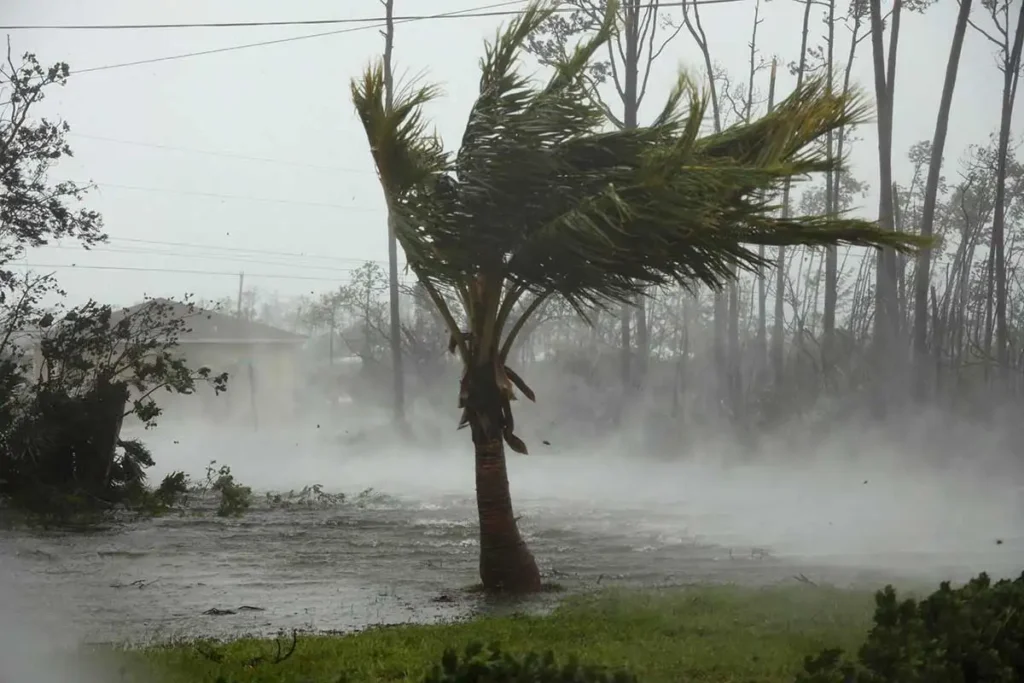
The Gulf Coast climate is defined by high humidity, salt air, strong winds, and seasonal storms. These factors can accelerate wear and tear on building materials, especially if a home is not properly designed or constructed.
Moisture intrusion can lead to mold, rot, and structural damage. Salt air can corrode metal components. High winds can stress roofs, walls, and foundations. Over time, these issues can significantly reduce a home’s lifespan and increase maintenance costs.
Why Material Selection Matters
Building for the coast begins with choosing materials that can handle extreme conditions. Durable framing systems, moisture-resistant sheathing, corrosion-resistant fasteners, and impact-rated windows all play a role in protecting the home.
Concrete-based systems, such as ICF, offer exceptional resistance to moisture, wind, and temperature extremes. Roofing materials designed for high wind zones and siding products that resist warping and rot are also essential in coastal construction.
Elevation and Drainage Planning
Proper elevation is one of the most important aspects of building near the coast. Elevating a home above flood-prone areas reduces the risk of water damage and helps meet flood zone regulations.
Equally important is drainage. A well-designed site plan directs water away from the home’s foundation, reducing erosion and moisture buildup. This protects the structure and helps preserve the surrounding landscape.
Energy Efficiency in Hot, Humid Environments
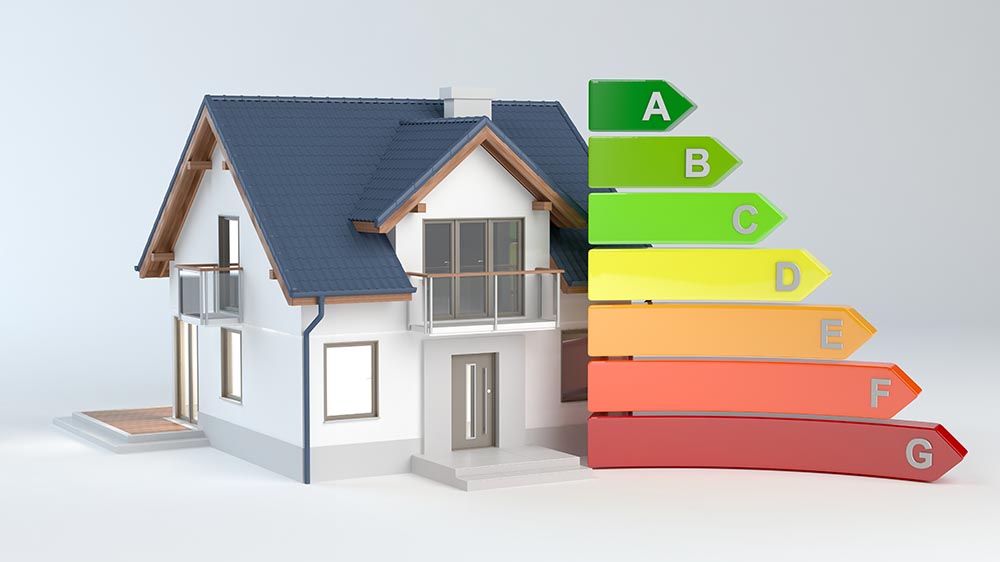
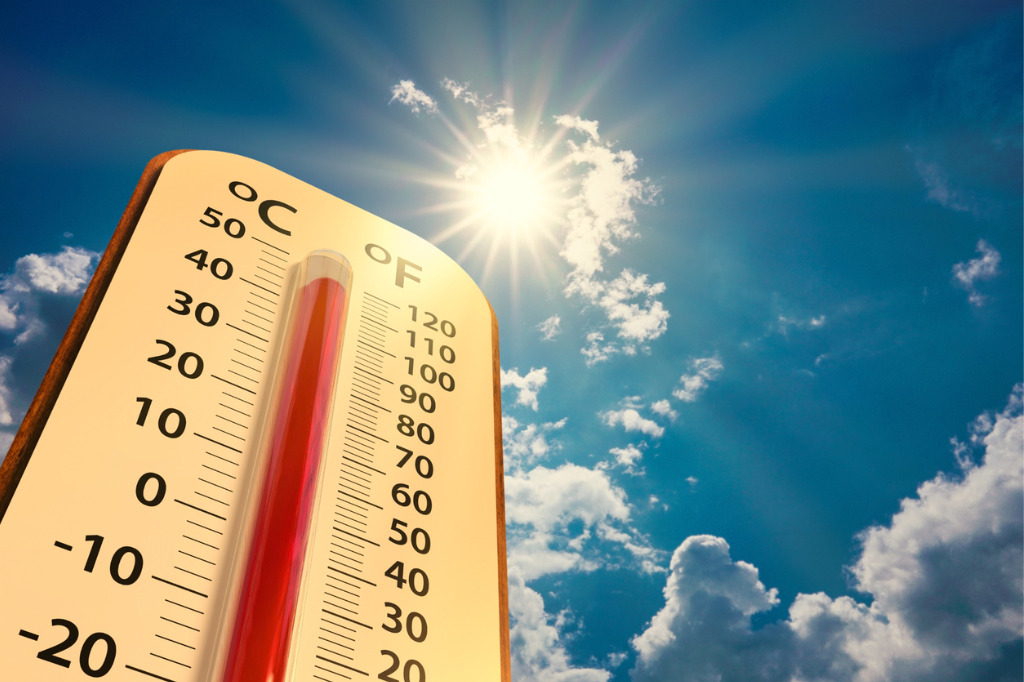
Homes built for the Gulf Coast must manage heat and humidity effectively. Proper insulation, air sealing, and ventilation are critical for maintaining indoor comfort and preventing moisture-related problems.
Energy-efficient homes stay cooler in summer, reduce HVAC strain, and maintain healthier indoor air quality. This not only lowers utility bills but also extends the life of mechanical systems and interior finishes.
The Value of Local Building Experience
One of the biggest advantages homeowners can have is working with a builder who understands the Gulf Coast environment. Local experience means knowing which materials perform best, how to design for wind and water, and how to navigate coastal building codes and regulations.
Builders who specialize in coastal construction don’t rely on generic building methods. They adapt every design and system to ensure the home can stand up to local conditions long after construction is complete.
Building for Longevity, Not Just Today
A home built for the Gulf Coast climate is an investment in long-term protection and performance. While some features may cost more upfront, they often save homeowners money through lower maintenance, reduced repairs, and increased durability over time.
More importantly, building correctly from the start provides peace of mind. When storms roll in and the climate tests your home, you can rest easy knowing it was designed to handle what the Gulf Coast brings.